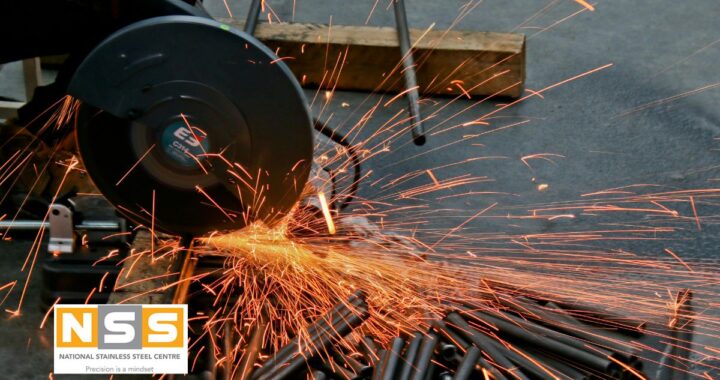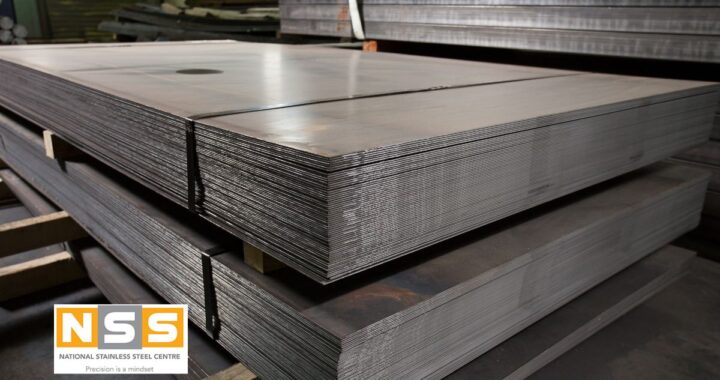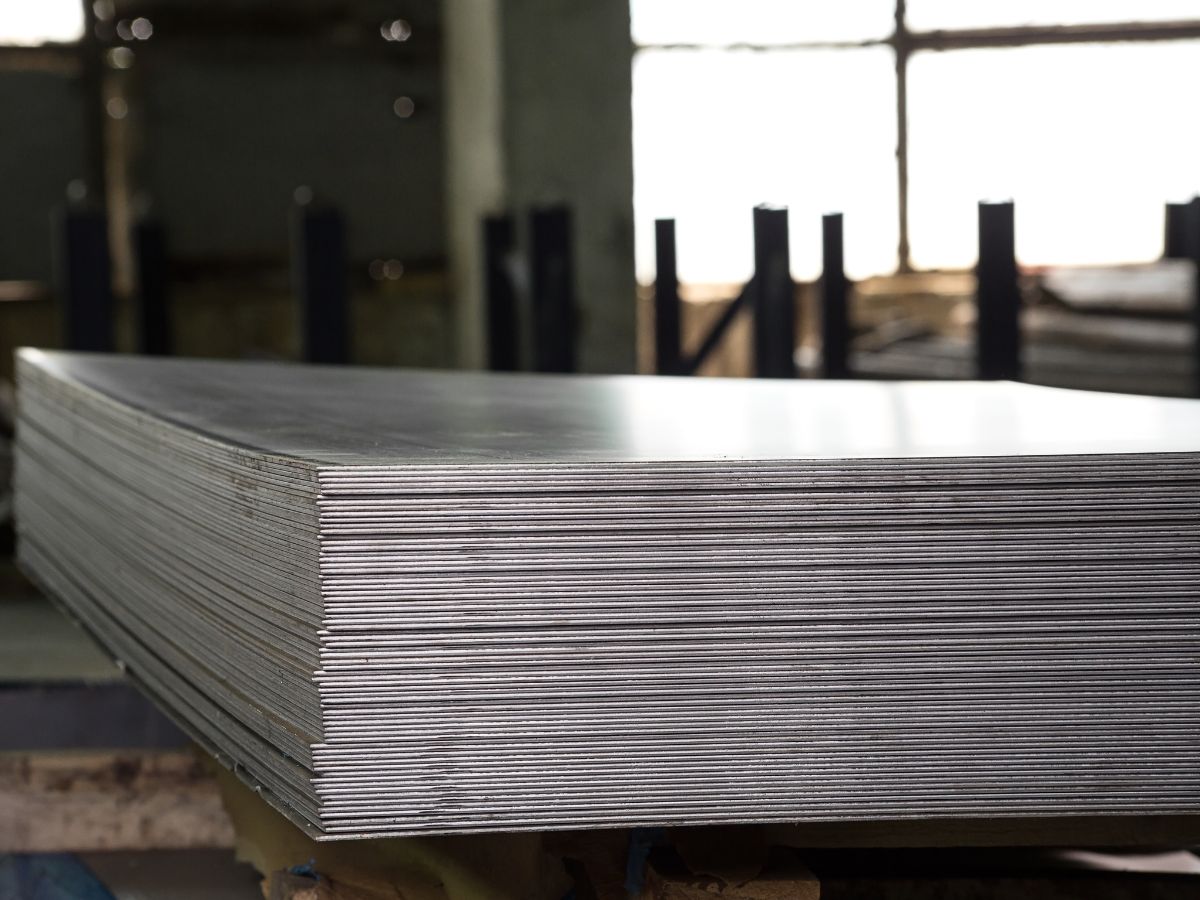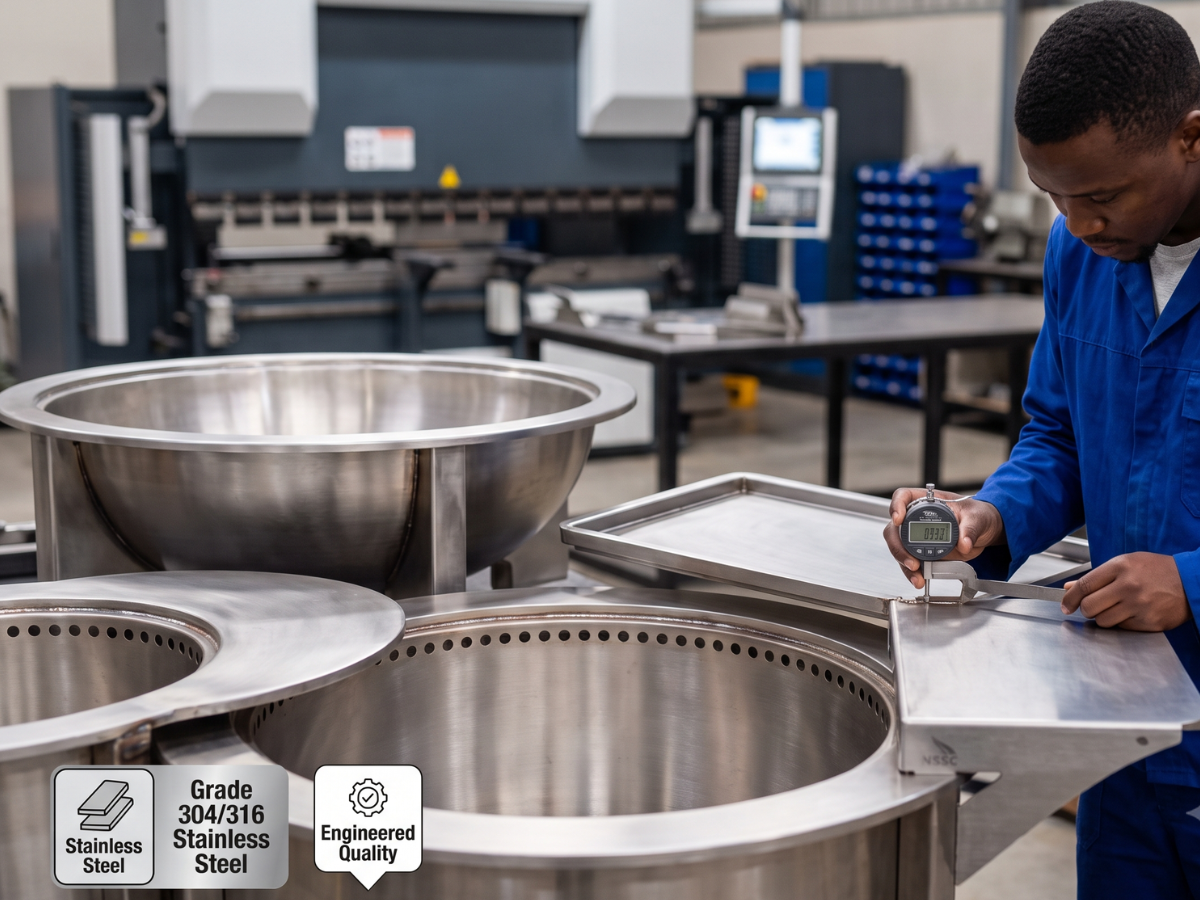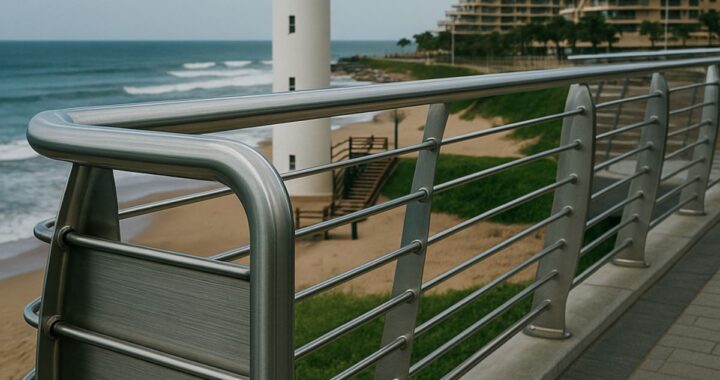
guillotine cutting

Guillotine Cutting Services: The Complete Guide to Precision Metal Shearing in 2026

When a project calls for fast, clean, straight cuts in sheet or plate, few processes beat a well-set guillotine. It’s one of the oldest tricks in the metalworking book, and still one of the most economical. At NSSC, we get asked about guillotine cutting services almost every week by fabricators, engineers and procurement buyers who need stainless cut to size without paying laser prices for a job that simply doesn’t need a laser.

With over 40 years working stainless steel and an ISO-certified process behind every job, we’ve built our shearing line around one idea: the right tool for the job, every time. In this guide we’ll walk through how guillotine cutting works, the materials and thicknesses it handles best, the industries that lean on it daily, and how to choose a provider that actually delivers on tolerance and turnaround. Whether you’re sourcing from Johannesburg, Durban or further afield, you’ll finish this read knowing exactly when shearing is the right call, and when it isn’t.

Key Takeaways

  • Guillotine cutting services offer the most cost-effective solution for straight-line cuts in sheet and plate metal, typically three to five times cheaper than laser cutting for geometry-suitable jobs.
  • Professional guillotine cutting delivers rapid turnaround, clean burr-light edges, and exceptional repeatability with CNC back gauges accurate to ±0.1 mm, ideal for high-volume batch production.
  • Guillotine cutting works best on ductile materials including mild steel (up to 10-12 mm), stainless steel grades 304, 316 and 430 (up to 6 mm), and aluminium (8-10 mm), with limitations on curves and intricate profiles.
  • When selecting a provider, verify capacity range, tolerance guarantees (±0.2 mm minimum), material stock availability, secondary process capabilities, and transparent per-cut pricing.
  • Industries from food processing and construction to automotive and mining rely on guillotine cutting for high-volume rectangular blanks, while the process produces minimal waste and heat-affected zones, delivering superior material yield.

What Is Guillotine Cutting and How Does It Work?

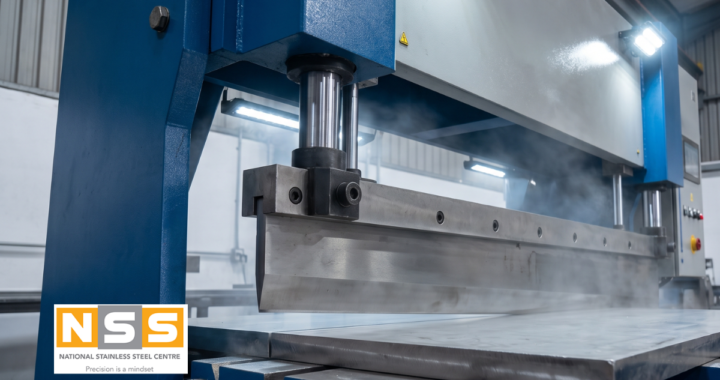
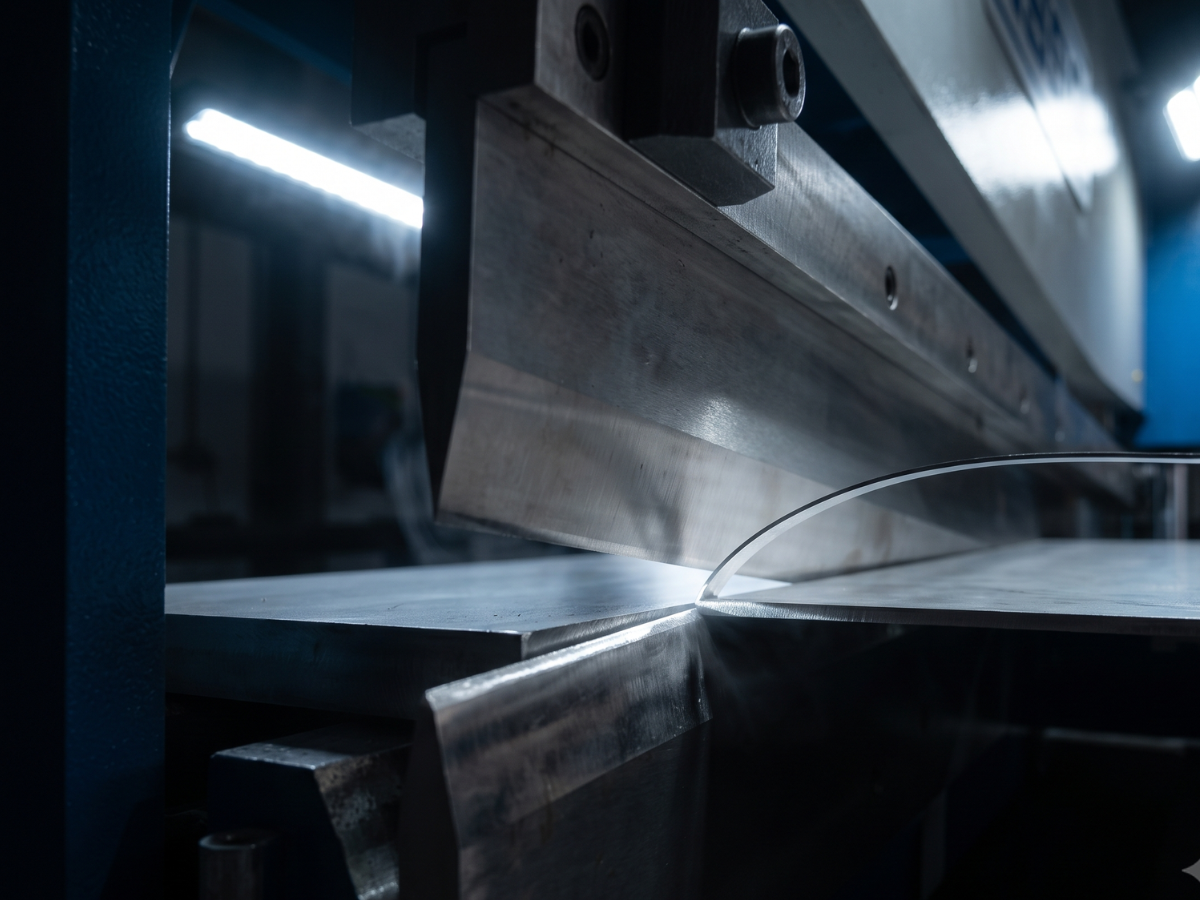
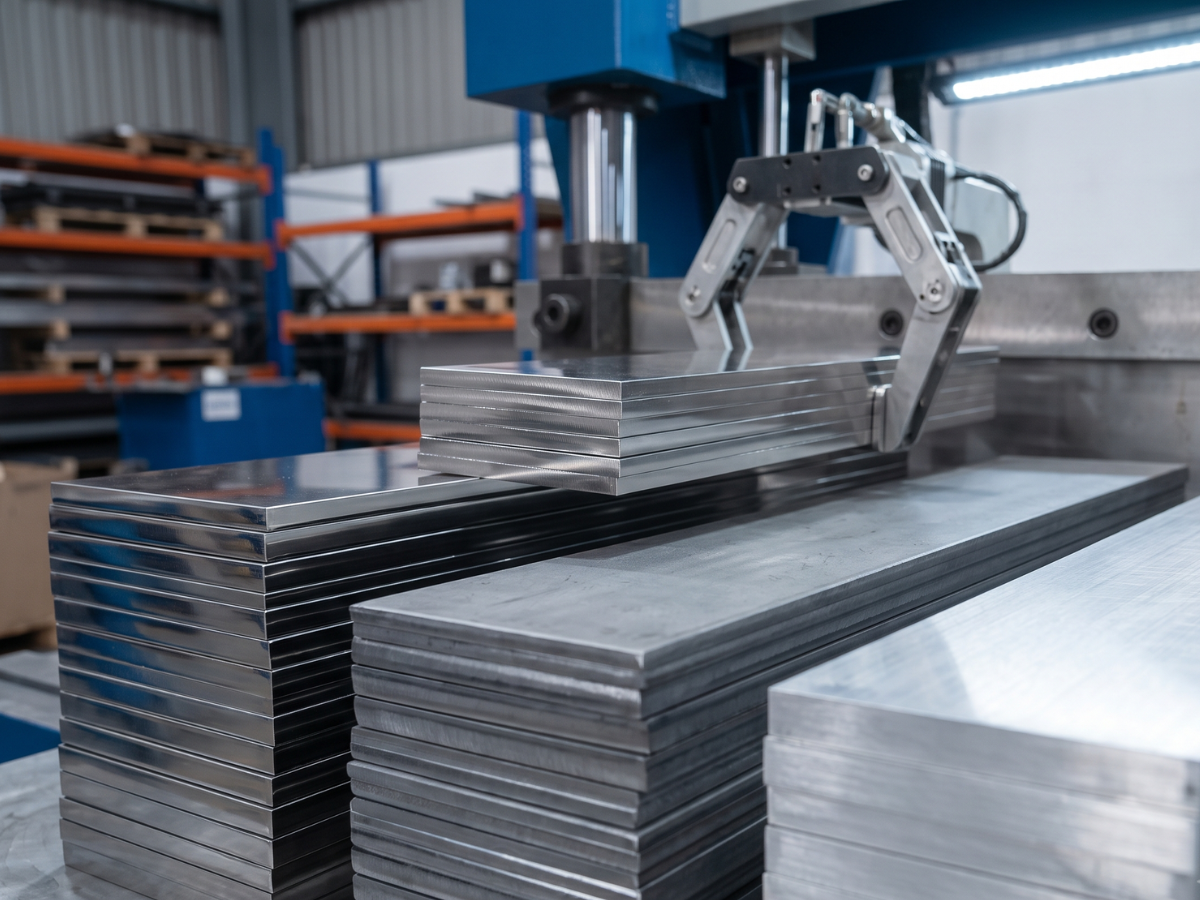
Guillotine cutting, sometimes called shearing, is a mechanical process that slices sheet or plate metal in a straight line using a moving blade against a fixed lower blade. Think of a pair of giant industrial scissors, only with hydraulic or mechanical force behind them and tolerances measured in fractions of a millimetre.

The sheet is clamped in place, the upper blade descends at a slight angle (called the rake angle), and a clean, burr-light edge is produced in a single stroke. There’s no heat, no melt zone, no consumable gas. Just steel meeting steel.

The CNC guillotines we run shear stainless steel up to around 3,000 mm long and 6 mm thick in a single pass, with back gauges that position material to within ±0.1 mm. That’s why, for straight-line work on sheet metal shearing jobs, it remains the fastest and most cost-effective method on the shop floor, often three to five times cheaper per cut than laser when geometry allows.

The limitation? Guillotines only cut straight lines. Curves, holes and intricate profiles need a different tool entirely, which is where our laser cutting service takes over.

guillotine cutting

Key Benefits of Professional Guillotine Cutting Services

The case for outsourcing guillotine cutting comes down to four things: cost, speed, edge quality and repeatability.

  • Cost efficiency. No gas, no laser optics, no plasma consumables. Shearing has the lowest cost-per-cut of any sheet-metal cutting process, which matters when you’re producing blanks in volume.
  • Speed. A single stroke takes seconds. Production runs of identical blanks fly through compared with profile cutting.
  • Clean straight edges. A properly maintained guillotine produces a square, near-burr-free edge that often needs no secondary finishing before bending or welding.
  • Repeatability. CNC back gauges mean the 500th piece is dimensionally identical to the first. For batch work, that consistency is gold.

There’s also a sustainability angle worth mentioning. Because shearing produces no heat-affected zone and almost no offcut waste beyond a small drop strip, material yield from a coil or sheet tends to be higher than with thermal processes. For buyers tracking scrap rates, that’s a real line-item saving over the year.

Materials Suited to Sheet Metal Shearing

Not every metal takes kindly to a guillotine blade. The process works best on ductile materials within a sensible thickness range, typically up to 6 mm for stainless, more for mild steel, less for harder alloys. Here’s how the common grades stack up.

Mild Steel and Carbon Steel Cutting Services

Mild steel is the bread and butter of any shearing line. It’s ductile, predictable and forgiving. Most industrial guillotines will shear mild steel up to 10-12 mm thick without breaking a sweat, producing edges clean enough to weld directly.

Carbon steel grades behave similarly, though as carbon content rises the material gets harder and the maximum shear thickness drops. For structural blanks, brackets, base plates and gusset stock, steel cutting services built around a guillotine are usually the most economical route, particularly when the geometry is rectangular or trapezoidal.

One tip from the shop floor: always specify the grade up front. A request for “6 mm steel cut to size” could mean S275, S355 or something tougher, and blade settings change accordingly.

Stainless Steel Shearing and Aluminium Applications

Stainless steel shearing is our specialism. Grades 304, 316 and 430 all shear cleanly up to around 6 mm on our machines, though we typically recommend laser cutting above 5 mm where edge cosmetics matter. Stainless work-hardens fast, and thicker shears can show slight edge distortion if blade clearance isn’t dialled in. After four decades in stainless, getting that clearance right is second nature to our operators.

Aluminium is even more forgiving. Its low shear strength means a standard guillotine can comfortably handle 8-10 mm in common grades like 5083 and 6082. Just be aware that softer aluminium tempers can show slight roll-over on the cut edge, which may need a quick deburr before powder coating.

Industries That Rely on Guillotine Cutting

Walk into almost any metalworking supply chain and you’ll find a guillotine somewhere upstream. The process underpins a surprising slice of the manufacturing economy.

  • Food and beverage processing. Stainless blanks for tanks, hoppers, splashbacks and conveyor side rails, all sheared to size before forming.
  • Construction and architectural fabrication. Cladding panels, balustrade infills, flashings, gutter blanks and skirting strips.
  • HVAC and ducting. Galvanised and stainless sheet sheared into rectangular blanks for duct fabrication, often in high volumes.
  • Mining and heavy industry. Wear-plate blanks, chute liners and hopper sides in mild steel and abrasion-resistant grades.
  • Signage and shopfitting. Aluminium and stainless strips for trim, trays and brackets.
  • Automotive and trailer manufacturing. Floor plates, side panels and reinforcement strips.

What ties these industries together is volume and geometry. When you need hundreds of identical rectangular pieces, shearing wins on price and speed every time. The moment you need a hole, slot or curve, you graduate to laser or plasma cutting for the thicker work.

Choosing the Right Guillotine Cutting Provider

Not all shearing services are equal. The machine matters, but so does the operator, the back-gauge accuracy and the material handling. When we talk to buyers shortlisting suppliers, we suggest weighing five things. It’s also a fair way to measure NSSC:

  • Capacity range. Can the provider handle your maximum sheet length and thickness in a single stroke? Joining cuts add cost and weaken accuracy.
  • Tolerance guarantees. A reputable shop will commit to ±0.2 mm or better on length, and squareness within 0.1° on standard blanks.
  • Material stock. Providers who hold their own stainless, mild and aluminium stock, as NSSC does, turn jobs around faster than those buying in per order.
  • Secondary processes. If your blanks need bending and folding or deburring, sourcing both from one shop saves logistics time and handling damage.
  • Quoting transparency. Per-cut pricing, material costs and minimum order values should all be clear up front.

Finding Guillotine Cutting Near You in Johannesburg and Durban

For buyers searching “guillotine cutting near me Johannesburg” or “guillotine cutting near me Durban”, proximity genuinely matters. Sheet and plate are heavy, and freight on a few blanks can outweigh the cutting cost.

NSSC supplies guillotine cutting services from our Gauteng operation with national delivery, and we work with logistics partners who handle KZN runs weekly. For smaller jobs, we’d recommend asking any prospective supplier three quick questions: lead time on standard 304 and 316, whether they shear from your supplied sheet or theirs, and whether they can ship cut blanks securely strapped to prevent edge damage in transit. The answers tell you a lot about how seriously they take fabrication work.

Cost Factors, Tolerances, and Turnaround Times

Pricing a guillotine job isn’t complicated, but it does have moving parts. The three big drivers are material, cut count and setup.

Material cost is usually the largest single item, anywhere from 50% to 80% of the total, and it tracks the prevailing stainless or steel market. Grade 316 carries a nickel and molybdenum premium over 304, while 430 sits below both. We update our stainless sheet and plate cut-to-size pricing in line with mill movements, so quotes reflect current rates rather than stale lists.

Cut count drives machine time. A sheet split into four rectangles costs less than the same sheet diced into thirty strips, because each stroke takes time and each repositioning eats seconds.

Setup is a fixed overhead. For one-off jobs it dominates; for production runs of 500+ identical blanks it disappears into the per-piece rate. That’s why minimum order values exist: they cover the time to load, programme and prove the first cut.

Typical tolerances we hold on standard work:

ParameterStandard tolerance
Length / width (≤1000 mm)±0.2 mm
Length / width (>1000 mm)±0.5 mm
Squareness≤0.1°
Edge straightness≤0.1 mm per metre

Turnaround for in-stock grades on straightforward blanks is usually 24-72 hours. Larger runs or non-stock grades extend that, but we’ll always confirm a firm date at the point of quote rather than leaving you guessing.

Why Buyers Choose NSSC for Guillotine Cutting

Strip this guide back to essentials and the right shearing partner holds stock, commits to tolerances, quotes transparently, and tells you honestly when another process is the better call. That’s the standard NSSC has held for over four decades:

  • 40+ years working stainless steel, so blade clearance, grade behaviour and edge quality are dialled in, not guesswork.
  • ISO-certified process, with tolerances held to ±0.2 mm on standard blanks and firm delivery dates confirmed at quote.
  • 304, 316 and mild steel held in stock, so in-stock jobs ship in 24-72 hours instead of waiting on raw material.
  • Honest scoping. When your job needs curves or holes, we point you to laser or plasma rather than forcing a straight-line tool onto a profiled part.

Need blanks cut accurately and fast?

If your next project needs blanks, strips or rectangular plate, send us the material, grade and quantity. We’ll quote on material, confirm the tolerance, and have your order shearing within days, not weeks. Request a quote from NSSC. For profiled or curved work, we’ll happily point you to our laser cutting service instead.

Frequently Asked Questions About Guillotine Cutting Services

What is guillotine cutting and how does it work?

Guillotine cutting, also called shearing, is a mechanical process that cuts sheet or plate metal in straight lines using a moving upper blade against a fixed lower blade. The sheet is clamped, the blade descends at a rake angle, and produces a clean, burr-light edge in a single stroke without heat or consumable gases.

What are the main benefits of using guillotine cutting services?

Guillotine cutting offers four key advantages: superior cost efficiency with the lowest cost-per-cut of any sheet-metal process, exceptional speed (single strokes take seconds), clean straight edges requiring minimal finishing, and excellent repeatability for batch work using CNC back gauges accurate to ±0.1 mm.

What materials can be cut using guillotine cutting?

Guillotine cutting works best on ductile materials. Mild and carbon steel shear up to 10-12 mm, stainless steel (304, 316, 430) up to 6 mm, and aluminium up to 8-10 mm. Material grade and thickness determine optimal blade settings and edge quality.

How accurate is guillotine cutting for tight tolerances?

Professional guillotine services typically maintain tolerances of ±0.2 mm on lengths up to 1000 mm, ±0.5 mm for longer dimensions, squareness within 0.1°, and edge straightness of ±0.1 mm per metre. CNC back gauges ensure consistency across batch runs.

What is the difference between guillotine cutting and laser cutting?

Guillotine cutting produces straight-line cuts economically without heat, making it three to five times cheaper per cut than laser. However, laser excels at curves, holes and intricate profiles. For rectangular blanks, guillotine is faster and more cost-effective; for detailed geometry, laser is necessary.

How long does guillotine cutting typically take from order to delivery?

Turnaround for standard in-stock grades on straightforward blanks is usually 24-72 hours. Larger production runs or non-stock materials may extend this timeline, but suppliers should confirm a firm delivery date at the quoting stage rather than providing estimates.

tube bending

CNC Tube Bending: The Complete 2026 Guide to Precision, Speed, and Cost Savings

If you’ve ever tried to bend a stainless steel tube by hand and ended up with a kinked, ovalised mess, you already know why CNC tube bending matters. Precision bending isn’t just about looks. It’s about repeatability, structural integrity, and shaving hours off production runs that used to eat entire shifts.

At NSSC, we work with engineers, fabricators and buyers who need bends that come off the machine the same way every time, whether it’s a single prototype balustrade or a batch of 500 frame components. Backed by more than 40 years working stainless steel and an ISO-certified fabrication process, we’ve made CNC tube bending the quiet workhorse behind everything from hospitality fit-outs to mining roll-cages and FMCG process loops.

In this 2026 guide we’ll unpack how the process actually works, where it beats manual methods, the materials it suits best, and what to look for when you’re choosing a bending partner in South Africa. No fluff, just the practical detail you need before you spec your next job.

Key Takeaways

  • CNC tube bending delivers repeatable precision to within fractions of a degree, giving identical results across batches of 20 to 2,000 units, which manual methods cannot match reliably.
  • Multi-bend CNC tube bending produces complex geometries in single continuous pieces, eliminating the heat distortion and weak points introduced by welding separate bent sections together.
  • Mandrel tube bending, essential for tight radii below 2× outside diameter and thin walls under 1.5 mm, prevents wall collapse and wrinkling while keeping the clean, round cross-section critical for visible and fluid-flow applications.
  • CNC tube bending in stainless steel (304, 316 and 430 grades) is now the standard across hospitality, FMCG, mining, automotive and architectural work, where build quality directly reflects product integrity.
  • A local partner like NSSC converts designs to bend schedules, provides springback compensation, and delivers batches within 5-15 working days, cutting out the six-week lead times of overseas manufacturing.
  • Choosing the right bending partner means assessing machine capability, tooling depth, material stock, quality processes and honest design advice, not simply picking the cheapest quote.

What Is CNC Tube Bending and How Does It Work?

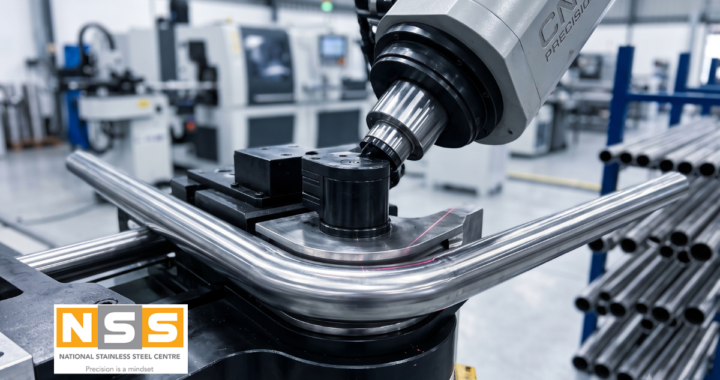
CNC tube bending is a computer-controlled process that bends metal tube or pipe to precise angles, radii and orientations defined in a digital program. Instead of an operator pulling a lever and eyeballing the angle, the machine reads a bend schedule, usually a series of YBC values (Y for feed length, B for rotation, C for bend angle), and executes each bend automatically.

The tube is clamped against a bend die, then drawn around it by a rotating arm while a pressure die supports the outside of the bend. For tighter radii or thin-walled stock, a mandrel sits inside the tube to stop the wall collapsing. Between bends, the machine feeds the tube forward and rotates it around its own axis, lining up the next bend in three dimensions.

The result is a part that matches the CAD model to within fractions of a degree, repeated identically across a batch. That’s the real value: not the single bend, but the hundredth one looking exactly like the first.

Key Advantages of Automated Tube Bending Over Manual Methods

Manual bending has its place: one-off site repairs, rough jigs, low-spec work. But once you’re producing parts that need to fit, weld up cleanly, or pass inspection, automated tube bending pulls ahead fast. Here’s where CNC earns its keep:

  • Repeatability. A programmed bend at 47.3° will be 47.3° on part one and part five hundred. Manual benders drift with operator fatigue and tooling wear.
  • Speed on multi-bend parts. A complex part with six bends in three planes can be finished in under a minute once the program is loaded. Manually, you’d be marking, indexing and rechecking for half an hour.
  • Less scrap. Mandrel support and programmed springback compensation mean fewer wrinkled, flattened or over-bent rejects.
  • Cleaner aesthetics. Critical for visible work like balustrades, handrails and architectural frames where any ovalisation shows.
  • Lower per-part cost at volume. The setup time is front-loaded; after that, each part comes off cheaper than manual labour can match.

For batch work, the maths almost always favours automation.

CNC Pipe Bending vs Tube Bending: Understanding the Differences

People use “pipe” and “tube” interchangeably, but in fabrication they’re not the same thing, and the difference matters when you’re programming a bend.

Tube is specified by its outside diameter (OD) and wall thickness. It’s typically used where structural strength, appearance or precise dimensions matter: handrails, frames, automotive, furniture.

Pipe is specified by nominal bore (NB) and schedule. It’s designed to carry fluids or gases, so the inside diameter is what counts. Pipe usually has thicker walls relative to its diameter than tube.

That distinction changes the tooling. CNC pipe bending generally uses heavier dies and larger centreline radii because pipe is stiffer and less forgiving on tight bends. Tube bending, especially with thinner walls, often calls for mandrel support to keep the cross-section round.

In practice, the same CNC machine handles both. You swap tooling and adjust the program. What matters is telling your bender exactly what you’ve specified, OD and wall, or NB and schedule, so the right dies go on the machine first time.

Common CNC Tube Bending Techniques

Not every bend is created equal. The technique we choose depends on the radius, the wall thickness, and how many bends need to live on a single part. Two methods come up again and again.

Mandrel Tube Bending for Tight Radii and Thin Walls

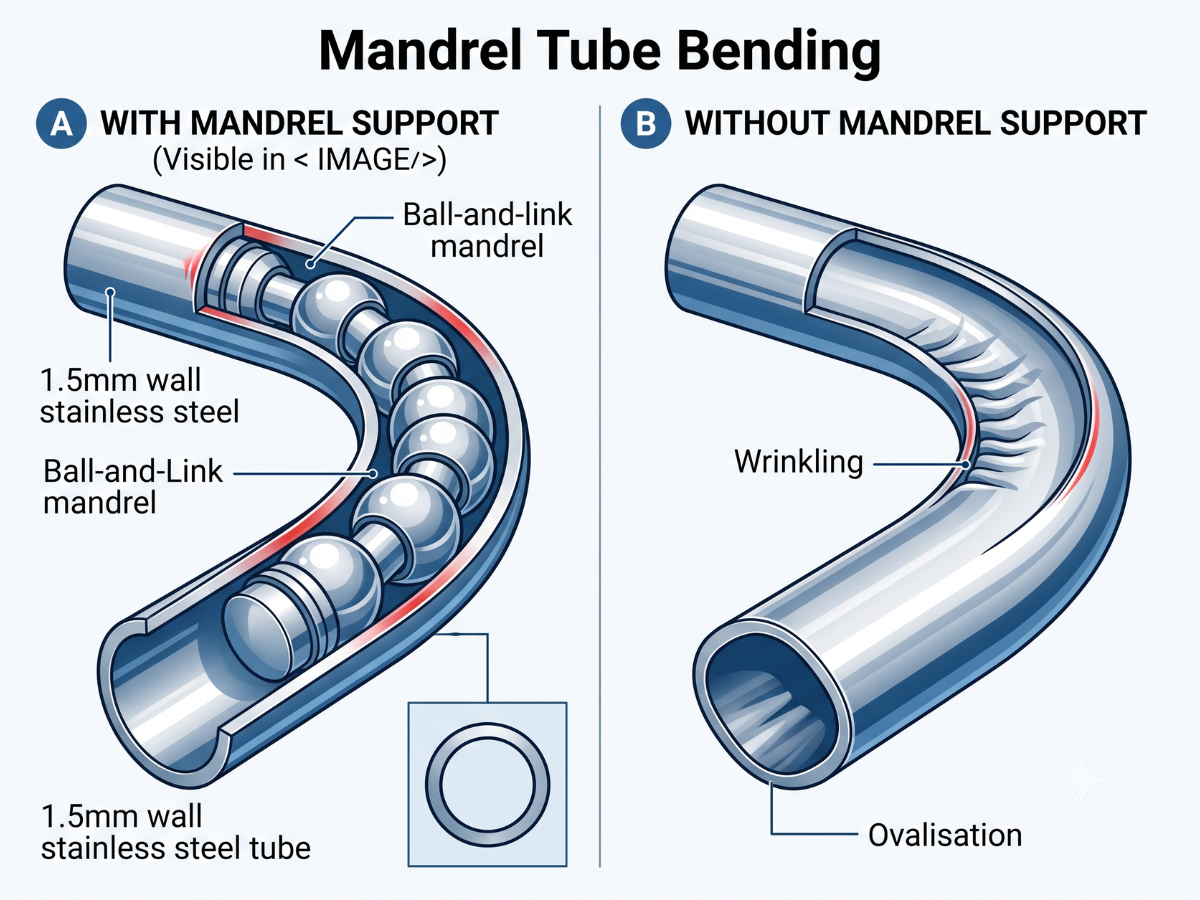
Mandrel tube bending uses a steel plug, often a ball-and-link mandrel, inserted inside the tube right at the point of the bend. As the tube wraps around the die, the mandrel supports the inner wall and stops it buckling or collapsing inward. We reach for mandrel bending when:

  • The centreline radius is less than 2× the tube OD.
  • Wall thickness is under about 1.5 mm on common stainless sizes.
  • The part is visible, polished, or needs to flow fluid without turbulence.

Without a mandrel, tight bends on thin-walled stainless will wrinkle on the inside of the bend or flatten across the outside. With one, you get a clean, round cross-section that’s almost indistinguishable from the straight section either side.

Multi-Bend Tube Bending for Complex Geometries

Multi-bend tube bending is where CNC really shines. A single tube can carry six, eight, ten or more bends in different planes, each one programmed in sequence. The machine feeds, rotates, and bends without the operator touching the part between cycles.

This is how roll-cage frames, exhaust headers, balustrade transitions and process pipework get made efficiently. Instead of welding multiple bent sections together, which introduces heat distortion, joints and weak points, the part comes off the machine as one continuous piece: stronger, lighter, and faster to install on site.

Materials and Tube Specifications Suited to CNC Bending

CNC bending isn’t material-fussy in principle, but stainless steel is where NSSC focuses. It’s what most South African fabricators are asking for, and it’s what behaves predictably under programmed bending. The grades we handle most often:

  • 304 / 304L, the workhorse. Great for balustrades, frames, food-contact work and indoor architectural use.
  • 316 / 316L, the marine and chemical grade. Essential for coastal installs, FMCG process lines, and anywhere chlorides or aggressive media are involved.
  • 430, budget-friendly for decorative work where corrosion exposure is mild.

Typical capability across our equipment covers OD from roughly 12 mm up to 76 mm, with wall thicknesses from 1.0 mm to 3.0 mm depending on radius. Minimum centreline radius is usually around 1.5 to 2× OD with a mandrel.

If you’re not sure what grade or wall to spec, browse our stainless tube and product range, or send us the application and we’ll recommend a combination that bends cleanly and lasts. After four decades supplying stainless to industry, matching grade to job is second nature.

Industries and Applications That Rely on CNC Tube Bending

CNC tube bending touches more sectors than most people realise. A few we work with regularly:

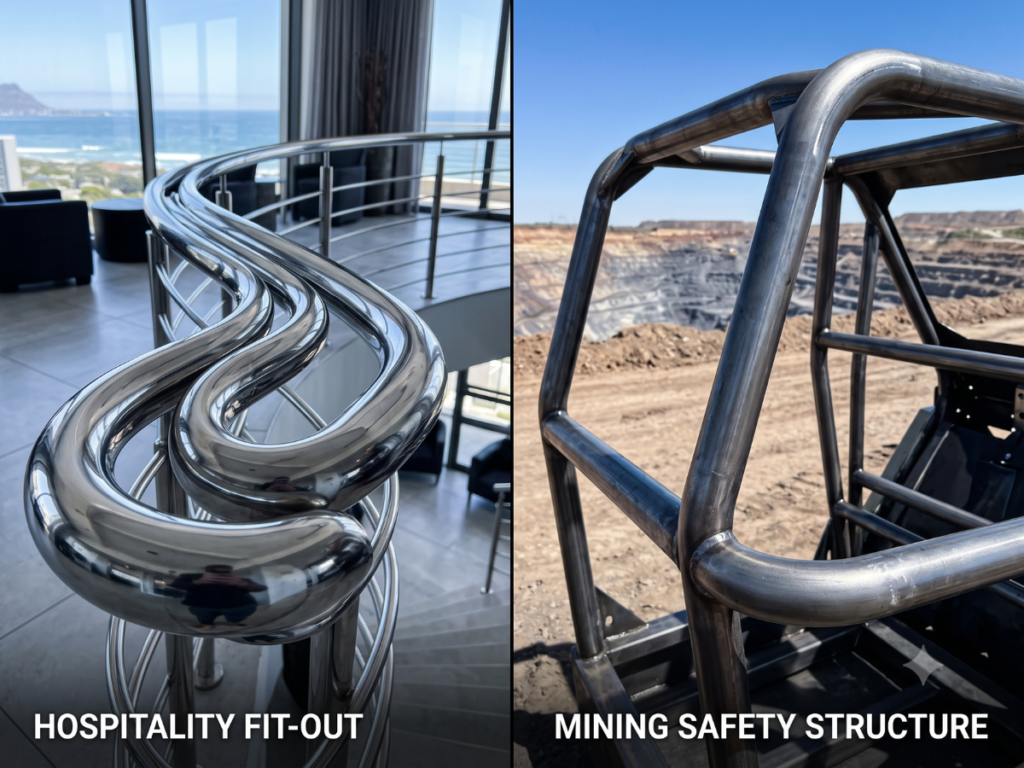
  • Commercial property and hospitality. Balustrades, handrails, signage frames, café furniture, hotel fit-outs. Anything visible where bend quality is part of the product. A wrinkled handrail tells a guest the whole build was cut-price.
  • FMCG and food processing. Stainless process loops, CIP lines, conveyor frames. Mandrel-bent 316L tube means smooth internal flow, no crevices for bacteria, and clean welds at the joints.
  • Mining and heavy industrial. Roll-over protection structures (ROPS), guard frames, walkway handrails, instrument tubing. Repeatability matters here because parts are often welded into larger assemblies; one out-of-spec bend throws the whole jig.
  • Architecture and signage. Curved façade elements, feature staircases, bespoke joinery. Designers love what CNC bending lets them draw, because we can actually build it.
  • Automotive and motorsport. Roll cages, exhaust runs, intercooler piping. Tight tolerances, complex geometries, often in small batches.

The common thread: when the bend has to be right, and right again, CNC is the answer.

Batch Tube Bending in South Africa: Scaling Production Efficiently

Batch tube bending in South Africa has historically been split between two extremes: small workshops doing manual one-offs, and large OEMs running dedicated cells overseas. The middle ground, fast, accurate, locally produced batch runs, has been under-served.

That gap is closing. With programmed setups, we can switch between part numbers in minutes rather than hours, which makes batch sizes from 20 to 2,000 units economically viable. Once a bend program is proven on the first article, every subsequent part comes off the machine to the same spec. A few things that make batch work efficient on our side:

  • CAD-to-bend-schedule conversion. Send us a STEP file or a dimensioned drawing and we’ll generate the YBC data and prove it on a sample before committing the batch.
  • Springback compensation library. We’ve built up correction values for the grades and sizes we run most, so first-off parts hit tolerance fast.
  • Local lead times. No six-week container wait. Typical batch turnaround sits between five and fifteen working days depending on volume and finish.

For anyone scaling a product from prototype to production, that local responsiveness is the difference between hitting a launch date and missing it.

How to Choose the Right CNC Tube Bending Partner

Not all bending shops are equal, and the cheapest quote is rarely the best deal once you factor in scrap, rework and missed deadlines. Here’s what we’d suggest you weigh up before placing an order. It’s also a fair way to measure NSSC:

  • Machine capability. Ask for the OD range, wall thickness range, minimum radius and maximum bends per part. If your job sits at the edge of their envelope, push for a sample bend before committing.
  • Material handling. A partner who stocks the stainless grades you need, and understands the metallurgy, saves you sourcing headaches. NSSC holds 304 and 316 in common tube sizes, so projects don’t stall waiting on raw material.
  • Tooling library. Each tube OD and radius combination needs its own bend die set. A shop with a deep tooling library can quote your job without tooling-up costs eating the margin.
  • Quality process. First-article inspection, dimensional reports, and traceability on the stainless heat number, backed by our ISO-certified process. Especially important for FMCG and structural work.
  • Complementary services. Sometimes a part needs CNC bending plus section and pipe rolling for the large radii, polishing, or welding. Having those under one roof removes handoffs.
  • Honest scoping. A good partner will tell you when manual or mandrel bending within our broader tube and pipe bending services is the smarter call, rather than defaulting to CNC just to fill the machine.

If you’ve got a drawing ready, send it through with quantity and grade. We’ll come back with a bend schedule, a price, and a realistic lead time, and we’ll flag anything in the design that will cause grief on the machine before it costs you a batch.

Why Fabricators Choose NSSC for CNC Tube Bending

Strip this guide back to essentials and the right partner is one with the machine capability, the stainless stock, the tooling depth, and the honesty to scope your job properly. That’s the standard NSSC has held for over four decades:

  • 40+ years working stainless steel, so grade selection, springback behaviour and weldability are second nature, not guesswork.
  • ISO-certified fabrication, with first-article inspection and heat-number traceability on structural and food-contact work.
  • 304 and 316 held in stock in common tube sizes, so your batch doesn’t wait on raw material.
  • Local South African production, with 5–15 working-day batch turnaround instead of six-week overseas lead times.

Ready to spec your next job?

Send us a STEP file or a dimensioned drawing with your quantity and grade, and we’ll return a bend schedule, a price and a realistic lead time. Request a quote from NSSC or explore our tube and pipe bending services.

Frequently Asked Questions About CNC Tube Bending

What is CNC tube bending and how does it differ from manual bending?

CNC tube bending is a computer-controlled process that bends metal tubes to precise angles and radii. Unlike manual bending, which relies on operator skill, CNC machines read a bend schedule and execute each bend automatically, ensuring consistency across every part in a batch and significantly reducing scrap and production time.

When should you use mandrel tube bending?

Mandrel tube bending is essential for tight radii (less than 2× tube outside diameter) and thin-walled stainless steel (under 1.5 mm). The internal steel plug prevents the tube wall collapsing inward during bending, producing clean, round cross-sections ideal for visible or fluid-carrying applications.

What is the difference between pipe and tube for CNC bending applications?

Tube is specified by outside diameter and wall thickness, while pipe uses nominal bore and schedule. This distinction affects tooling and technique: pipe generally requires heavier dies and larger radii due to its stiffer construction compared to tube.

Which stainless steel grades are best suited for CNC tube bending?

The most common grades are 304/304L for general and food-contact work, 316/316L for marine and corrosive environments, and 430 for budget-friendly decorative applications. Each grade behaves predictably under CNC bending and suits specific industries.

What industries benefit most from CNC tube bending?

CNC tube bending serves hospitality (balustrades, handrails), FMCG and food processing (sanitary stainless loops), mining (roll-cages), automotive (exhaust systems), and architecture. Anywhere precision, repeatability and structural integrity are essential, CNC bending is the answer.

How long do typical batch tube bending projects take in South Africa?

Most batch runs turn around within five to fifteen working days, depending on volume and finishing requirements. Local production eliminates overseas lead times and enables fast CAD-to-production conversion with programmed setups and springback compensation libraries.

people sitting around a boma fire pit

Boma Fire Pit: The Ultimate Guide to Outdoor Braai Gatherings in 2026

There’s something almost primal about gathering around an open fire under a Highveld sky: the crackle of wood, the hiss of meat hitting hot steel, the quiet that settles over a circle of friends once the first glass is poured. That’s the magic a good boma fire pit brings to any garden, lodge or patio. And in 2026, with outdoor entertaining bigger than ever in South Africa, getting the setup right matters more than picking out a new couch.

At NSSC, we’ve been working stainless steel for over 40 years, and we fabricate our boma fire pits in the same ISO-certified workshop where we make industrial stainless components for South African industry. That means the guide below isn’t marketing theory. It’s what we’ve learned building fire pits that have to survive Highveld storms, coastal salt air and a decade of hard use. From the cultural roots of the boma braai to the practical detail on sizes, stainless steel grades, safety and maintenance, here’s everything you need to choose well and buy once.

Key Takeaways

  • A boma fire pit is a portable, freestanding outdoor fire bowl designed for both warmth and open-flame cooking, rooted in South African safari-lodge tradition and now a centrepiece for garden entertaining.
  • Stainless steel (304 or 316 grade) is essential for longevity. Mild steel and Corten will rust and degrade, especially in coastal or harsh weather. NSSC builds exclusively in food-safe stainless, and states the grade in writing.
  • Proper sizing matters. Choose your boma fire pit by seating capacity, from 600-700mm for couples to 1300mm+ for lodges and events.
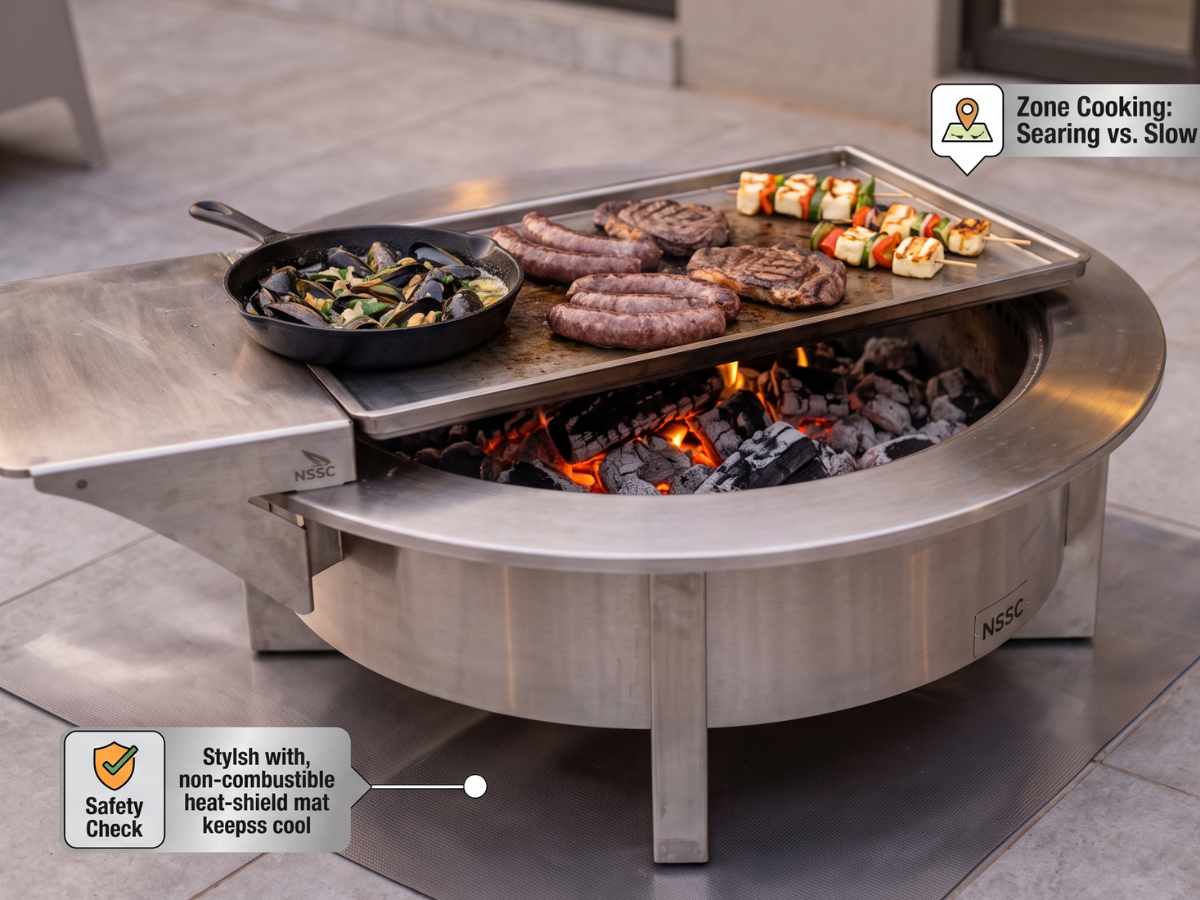
  • Cook in zones and use the flat pan for unexpected items like mussels and halloumi. Build the fire 30-45 minutes ahead with hardwood to settle into proper coals.
  • Place the pit at least 3 metres from buildings and branches, on concrete or paving rather than timber decks, to stay safe and compliant with fire-season restrictions.
  • Regular maintenance, wiping after each use, monthly exterior cleaning, and avoiding steel wool or chlorine cleaners, keeps a quality NSSC boma looking almost new after a decade outdoors.

What Is a Boma Fire Pit?

A boma fire pit is, at its simplest, a freestanding outdoor fire bowl, usually circular, designed for both warmth and open-flame cooking. Unlike a built-in braai or a bricked-in firepit, a boma is portable (or at least movable), often raised on legs, and built so a group can sit around it on all sides. Think of it as the modern descendant of the campfire: less rustic, more refined, and properly engineered to last.

The word “boma” originally referred to a livestock enclosure or a meeting place. Today, in South African outdoor culture, it’s shorthand for the whole experience: the fire, the food, the circle of chairs, the conversation. A quality fire boma anchors that whole scene.

The Cultural Roots of the Boma Braai

The boma braai grew out of safari-lodge tradition, where guests gathered in a reed-walled enclosure around a central fire after a day in the bush. Lodges across the Kruger, the Waterberg and KwaZulu-Natal turned it into a ritual: drinks, storytelling, slow-cooked meat over coals. From there it moved into private gardens, guesthouses and city patios. What started as a working enclosure became a social centrepiece, and the fire pit itself became the star of the show.

Key Features That Define a Quality Fire Boma

Not all fire bomas are created equal. We’ve seen plenty of mild-steel units rust through within a season or two, especially along the coast. If you’re investing in something that will live outside through summer storms and winter frost, these are the non-negotiables, and the exact standards NSSC builds to:

  • Material grade. Stainless steel (304 or 316) for longevity. Mild steel and Corten rust; Corten does so by design, and it stains paving and weakens over time. Every NSSC boma fire pit is full stainless.
  • Thickness (gauge). A heavier gauge holds heat better and resists warping. Look for at least 3mm on the bowl.
  • Welded construction. Continuous welds, not spot-welds, especially on the bowl seams. This is standard industrial practice in our workshop.
  • Drainage. A small drain hole stops rainwater pooling and rotting the base.
  • Stable base or legs. A solid tripod or ring base keeps the fire safely off the ground, and off your lawn.
  • Removable cooking surface. A flat top, swing-arm grid or fire-fryer pan turns the boma into a working braai.

Get those right and you’ve got something that will still look good in ten years. NSSC bomas are engineered to meet every point on that list, because they come out of the same shop, and the same standards, as our industrial stainless work.

Choosing the Right Stainless Steel Braai Pan

The cooking surface is where a boma earns its keep. A good stainless steel braai pan sits flush over the bowl, turning the open fire into a flat-top griddle, perfect for everything from boerewors to vegetables, paella, even pancakes for breakfast the next morning.

When NSSC makes ours, we focus on the details that matter in the real world:

  • Grade 304 stainless steel: food-safe, corrosion-resistant, and won’t impart any metallic taste.
  • Heavy gauge so the pan distributes heat evenly without hot spots or warping.
  • A raised lip to catch fat and juices, so they don’t drip onto the fire and flare up.
  • A central hole or removable disc so you can cook over open flame and on the flat surface at the same time.

If you’re comparing options, ask the supplier exactly which grade of stainless steel they use. “Stainless” alone isn’t enough, here’s why stainless steel resists rust, and why grade matters. NSSC states 304 or 316 grade in writing on every product, because after 40 years supplying stainless to industry, we know grade is the whole game.

Popular Boma Fire Pit Sizes and Designs

Sizing your boma comes down to two questions: how many people, and how much space?

SizeDiameterBest forTypical seating
Small600-700mmCouples, small patios2-4 people
Medium800-900mmFamily gardens4-8 people
Large1000-1200mmEntertainers, guesthouses8-12 people
Extra-large1300mm+Lodges, restaurants, events12+ people

Design-wise, the most common silhouette is the classic deep bowl on a tripod or ring base. Some bomas include a swing-arm grid; others, like NSSC’s fire-fryer boma, build the braai pan directly into the design so the fire and the cooking surface share one footprint.

Finish matters too. A brushed stainless steel finish hides fingerprints and minor marks better than a mirror polish, which is why most hospitality buyers choose it, and why it’s our default for lodge and restaurant orders.

How to Use a Braai Boma for Cooking and Entertaining

The trick with a braai boma is that you’re not just cooking, you’re hosting around the fire. The cooking happens in front of everyone, so the rhythm is different from a traditional walled-off braai area. A few things we’ve learned over the years:

  • Build the fire early. Hardwood like rooikrans or kameeldoring needs 30-45 minutes to settle into proper coals.
  • Cook in zones. Push hotter coals to one side, leave a cooler zone on the other, so you can sear and slow-cook at once.
  • Start with the slow stuff. Lamb, pork belly and whole chickens go on first. Boerewors and steak come later, when guests are hungry and the talking has died down.
  • Use the flat pan for the unexpected. Mussels, prawns, halloumi, mielies in butter, anything that would fall through a grid.
  • Keep the fire alive after dinner. That’s when the real conversations happen. Throw on a smaller log, top up the glasses, and let the evening run.

Safety, Placement, and Installation Tips

An open fire is still an open fire, even in a well-built boma. A bit of forethought goes a long way.

Placement

  • At least 3 metres clear of buildings, eaves, and overhanging branches.
  • Off timber decks unless you’re using a proper heat-shield mat. Concrete, paving or gravel is ideal.
  • Sheltered from the prevailing wind, but never fully enclosed. You need airflow, and you need smoke to escape.

Setup

  • Level the ground. A wobble in a 60kg fire pit full of burning coals is a problem you don’t want to discover at 9pm.
  • Keep a bucket of sand or water nearby. Hose pipes are great until you realise the tap is around the corner.
  • Never leave the fire unattended while children or pets are around.

Local rules

  • Some estates and municipalities restrict open fires on high-risk fire-season days. Check before you light up, especially in the Western Cape between November and April.

Caring for Your Boma Braai to Extend Its Lifespan

Stainless steel is low-maintenance, not no-maintenance. Treat it well and it will outlast almost everything else in your garden.

After each use

  • Let the bowl cool completely.
  • Scrape out ash once it’s stone cold and dispose of it in a metal bin. Never plastic; embers can hide for hours.
  • Wipe the braai pan with a damp cloth while still slightly warm. Stubborn bits come off with hot water and a non-abrasive scourer.

Monthly

  • Wipe the exterior with warm soapy water and a soft cloth. Rinse and dry.
  • For tea-staining (the faint brown marks you sometimes see near the coast), use a dedicated stainless steel cleaner and rub in the direction of the brush grain.

Never

  • Use steel wool or chlorine-based cleaners. They damage the passive layer that protects the steel.
  • Leave standing water in the bowl. Tip it out or check the drain hole is clear.

Do this and a quality NSSC fire boma will look almost new after a decade outdoors.

What to Look for When Buying a Boma Braai for Sale

There are a lot of boma braais for sale out there, and prices vary wildly, from budget mild-steel units at hardware chains to designer pieces. Before you commit, run through this checklist. It’s also a fair way to measure any supplier, including us:

  • What’s the material, exactly? “Steel” usually means mild steel. Insist on 304 or 316 stainless steel in writing. NSSC provides this as standard.
  • What’s the gauge? Anything under 2mm on the bowl will warp.
  • Is it locally made? South African fabrication means easier warranty claims, replaceable parts, and support for local industry. NSSC fabricates every unit in South Africa.
  • What’s included? Some bomas come with a pan, grid, ash tool and cover. Others charge extra for each. Ask for the full inclusions list.
  • Warranty? A serious manufacturer backs the steel. Ask NSSC for current warranty terms on your chosen unit.
  • Delivery and assembly. A large boma can weigh 50kg+. Check whether delivery is included and whether it ships assembled.

NSSC meets every point on that checklist, because it’s the same checklist we’d apply to any stainless component leaving our workshop. If you’d like to see what a properly engineered, fully stainless option looks like, shop the NSSC boma fire pit or browse the full product range. We fabricate everything in South Africa, in the same shop where we make our industrial stainless products, so the standard is identical whether you’re a lodge owner or a process engineer.

Why Buyers Choose NSSC

If you strip this guide back to its essentials, the right boma is full stainless, heavy-gauge, continuously welded, locally made, and backed by a supplier who knows the metal. That’s not a list we wrote to flatter ourselves. It’s the standard NSSC has held for over four decades:

  • 40+ years working stainless steel, with a trading history that means we’re still here when you need a replacement part or a warranty claim.
  • ISO-certified fabrication, the same quality system behind our industrial stainless supply, applied to every boma.
  • Grade transparency, 304 or 316 stated in writing, never vague “stainless” claims.
  • Made in South Africa, in-house, so nothing is outsourced and quality is controlled end to end.

Choosing a fire pit is a ten-year decision. NSSC is built to be the supplier still standing behind it in year ten.

Conclusion

A boma fire pit isn’t really about the steel, it’s about the evenings it makes possible. But the steel is what decides whether those evenings happen for two seasons or twenty. Choose a stainless build, get the size right for your space, treat it with a bit of respect, and you’ve got the centrepiece of every gathering you’ll host for the next decade.

Ready to anchor your next braai?

Have a look at the NSSC stainless steel boma fire pit: built in South Africa, made to last. Not sure on size or configuration? Contact our team and we’ll help you choose.

Frequently Asked Questions About Boma Fire Pits

What exactly is a boma fire pit?

A boma fire pit is a freestanding outdoor fire bowl, typically circular and raised on legs, designed for warmth and open-flame cooking. Unlike built-in braais, it’s portable and engineered so people can sit around all sides, combining the simplicity of a campfire with refined, modern engineering.

What material grade should I choose for a boma braai to prevent rust?

Choose stainless steel grade 304 or 316 for longevity and corrosion resistance. Avoid mild steel and Corten, which rust and weaken over time, especially in coastal areas. NSSC builds exclusively in 304 or 316 stainless, so a quality unit will last a decade or more with proper care.

What size boma fire pit do I need for entertaining?

Size depends on guest count and space. Small (600-700mm) suits 2-4 people; medium (800-900mm) works for families of 4-8; large (1000-1200mm) fits 8-12 guests; extra-large (1300mm+) suits lodges and events with 12+ attendees. NSSC can advise on the right size for your setup.

How long does it take to prepare coals in a braai boma?

Hardwood like rooikrans or kameeldoring takes 30-45 minutes to settle into proper coals. Building the fire early lets the coals reach the right temperature before you start cooking and entertaining around the fire.

Can I use a stainless steel braai pan on any boma fire pit?

Most quality boma fire pits accommodate a stainless steel braai pan as a removable cooking surface. Grade 304 stainless pans are food-safe and corrosion-resistant. Verify compatibility with your specific model before buying a pan separately; NSSC pans are matched to our bomas.

How do I maintain and clean my boma fire pit?

Let the bowl cool completely after use, then scrape ash into a metal bin. Wipe the braai pan with a damp cloth while warm. Monthly, clean the exterior with warm soapy water. Never use steel wool or chlorine-based cleaners, and avoid leaving standing water inside.

Why buy a boma fire pit from NSSC?

NSSC has worked stainless steel for over 40 years and fabricates every boma in its ISO-certified South African workshop, the same one behind its industrial stainless supply. You get full 304 or 316 stainless stated in writing, heavy-gauge welded construction, local support, and a supplier with the track record to stand behind the product long-term.

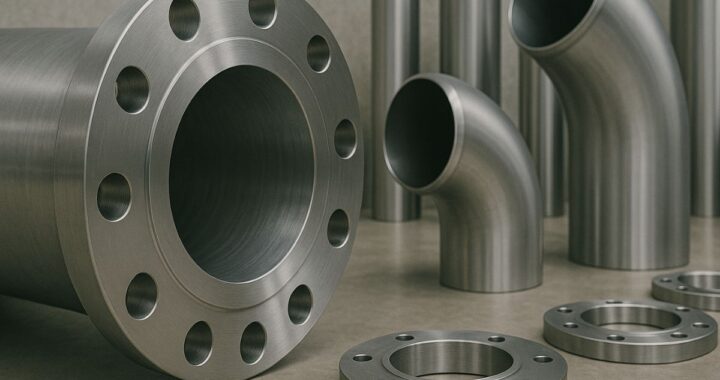
Stainless steel flanges, pipes, and elbows arranged in an industrial setting, showcasing components commonly used in petrochemical applications

Understanding Duplex Stainless Steel: When & Why to Choose it for Petrochemical Applications

1. “Just quote on stainless fabrication” is not a spec

If you work in procurement or projects, you have probably sent or received a request that reads something like, “Please quote on stainless steel fabrication as per attached.”

It sounds fine. It is not fine.

Behind that single line you are often hiding a dozen unspoken decisions:

  • What grade of stainless
  • What thickness
  • What cutting process
  • What weld procedures
  • What finish
  • What tolerances
  • What documentation

If you leave those things open, you are not just giving your supplier freedom. You are creating room for misunderstandings, change orders and “we thought you meant” conversations halfway through the job.

NSSC sees this pattern all the time. From their base in Bredell, Kempton Park, they support buyers in FMCG, mines, hospitals, hotel groups, commercial property and industrial facilities across South Africa. The projects range from hygienic housings to heavy duty mining launders. The common thread is simple. The clearer the specification, the smoother the fabrication.

So let’s walk through how to specify stainless fabrication properly, from cutting to welding, so your next RFQ actually says what you think it says.

To achieve true precision in stainless steel processing, NSSC offers a complete range of specialised cutting and fabrication solutions. Our advanced laser cutting services deliver unmatched accuracy and clean edges across all stainless steel grades, while our high-powered plasma cutting services provide fast, efficient results for thicker materials. For straightforward, high-speed sheet processing, our guillotine cutting services ensure perfectly straight cuts with minimal waste. When projects demand complex perforations or intricate profiles, our CNC punching services offer precision and repeatability at scale. Finally, for components that require exact weld preps or aesthetic finishing, our bevelling services deliver smooth, uniform edges that meet the highest fabrication standards.

2. You are not just buying steel, you are buying process

Here is the thing. When you buy fabricated stainless, you are not really buying metal. You are buying controlled processes applied to metal.

Those processes include:

  • Selecting the correct grade and thickness
  • Cutting it to the right shape
  • Forming and bending it without damaging the material
  • Welding parts together without inviting future corrosion or cracking
  • Finishing the surface so it does what it needs to do, whether that is hygiene, corrosion resistance or appearance

NSSC’s capabilities are built around exactly these steps. They run laser and high definition plasma equipment, waterjet cutting, guillotining, CNC tube bending, section and plate rolling, press braking, polishing, CNC machining and milling, plus welding. The point is not to make the list long. The point is that your specification should guide which of these tools get used and how.

If you do not say anything, the fabricator will choose. Sometimes that works. Sometimes it just works for them, not for you.

3. Start with where the job lives

Before you talk grades or cutting methods, start with the context. A stainless enclosure in a hospital basement is not the same as a stainless chute in a coastal mine, even if they are both “just stainless”.

When you prepare a spec or RFQ, it helps to say:

  • Which sector and site (FMCG bottling hall, mine plant, hotel kitchen, chilled warehouse, hospital theatre area)
  • Any specific hygiene or safety standards (food grade, medical, dust control, ATEX, etc.)
  • The environment: wet or dry, indoor or outdoor, coastal or inland, chemical exposure, cleaning regime
  • Expected service life and how often the area can realistically be taken out of service

You do not have to write a novel. Even a short paragraph in the RFQ that explains the reality on site already helps NSSC’s team guide you toward sensible materials and processes.

You know what? That context line is often worth more than the entire bill of quantities when it comes to choosing how to cut, weld and finish.

4. Material spec: more than “304 stainless”

Let’s move into the steel itself.

If you write “stainless steel” with no further detail, you are inviting guesswork. A better approach is to specify, at minimum:

  • Grade (for example 304, 304L, 316, 316L, relevant duplex grades)
  • Thickness range for each component
  • Any specific requirements for toughness, strength or corrosion performance
  • Need for material certificates or mill test reports

For food plants, hospitals and many chemical or coastal applications, the difference between 304 and 316 is not academic. For some mining duties, duplex stainless grades make sense in high stress, aggressive environments. NSSC carries a range of sheets and plates in different grades, including duplex and other alloys, which is why they ask those questions upfront.

Also remember: if you want all parts in a structure to match in grade, say so clearly. Mixing grades in one assembly can create galvanic corrosion issues or unexpected behaviour over time.

Traceability is another hidden topic. If you need line of sight from finished part back to material batch for audits, that should be part of the specification, not something you try to add at the end.

5. Choosing your cutting method: where laser, plasma and waterjet fit

Now we get to the fun part. How the material is cut matters more than many people realise.

NSSC offers several cutting methods, each with strengths:

  • Laser cutting for precision, tight tolerances and clean edges on many thicknesses
  • High definition plasma for thicker materials and robust plate work
  • Waterjet cutting where heat input must be minimal or where certain materials do not like heat
  • Guillotining for straight cuts on plate and sheet

If your parts have complex profiles, tight tolerances, small holes or interlocking tabs, specifying that you require laser cutting is useful. It signals that cut quality and accuracy are critical. For heavy plate where edges will be machined or ground later, plasma might be more appropriate and cost-effective.

If you have heat sensitive components, or you are working with laminated materials or combined stainless and other media, waterjet starts to make more sense.

The trick is not to prescribe a process blindly, but to connect it to:

  • The thickness and grade
  • Required tolerances
  • Edge quality required
  • How the edge will be used in the next step (for example welded or left exposed)

If you are unsure, you can describe the functional requirement, and NSSC can suggest the cutting route. The more you say about what the part must do, the better they can choose how to cut it.

6. Forming and bending: specifying shape, not just length and width

Flat parts are the easy part. Most real world components need bending, rolling or forming.

NSSC runs CNC tube bending, section rolling and plate rolling equipment. That lets them produce:

  • Rolled shells for tanks and ducts
  • Curved sections for balustrades, frames or structural elements
  • Bent channels and brackets with repeatable angles

When you specify these operations, it helps to include:

  • Inside or outside bend radii
  • Acceptable tolerances on angle and overall length after bending
  • Whether cosmetic appearance at the bend is critical
  • Whether spring back or fit-up is sensitive in assemblies

For tubes, say if the internal bore must remain clean and smooth for flow, or if slight deformation is acceptable. For rolled plate, specify whether the seam will be welded and ground flush, or whether it can remain visible.

Here is a practical tip. If the parts need to fit with other trades or pre-existing structures, try to share that information with NSSC. A small tweak in bend angle or radius early on can save a lot of grinding and rework on site later.

7. Welding: manual, semi-automatic and robotic

Welding is where stainless fabrication can go very right or very wrong.

Poorly planned welding can introduce:

  • Distortion
  • Residual stress
  • Heat tint and oxidation
  • Contamination that becomes a corrosion hotspot

In your specification, you do not always need to dictate every weld size and process, but you should give direction on things like:

  • Weld type (fillet, butt, full penetration or cosmetic)
  • Critical joints where strength or hygiene is vital
  • Whether welds must be ground and polished flush
  • Requirements around distortion control and straightness

In high repeat work, or where consistency is key, you may want to ask if robotic welding is available or suitable. Robotic systems bring repeatable travel speed, arc length and sequence. That helps where you have many identical frames, brackets or assemblies and you want every weld to behave the same way.

NSSC’s welding capability is integrated with its cutting and forming operations, so they can manage weld prep, joint design and finishing as part of one workflow. That is important. You do not want a beautiful cut and bend ruined by a rushed weld procedure that leaves rainbow heat tint everywhere on a supposedly hygienic surface.

If your industry is sensitive to contamination or hygiene, such as food, beverage or medical, talk about cleaning and passivation after welding as part of the scope. It is easier to include it in the initial spec than to argue about “who must clean what” once the parts arrive.

8. Surface finishing: not just for looks

It is easy to treat surface finish as an aesthetic bolt-on. In stainless work, it is often a performance factor.

Different finishes influence:

  • Cleanability in food and medical environments
  • Corrosion resistance in coastal or chemical conditions
  • Glare, reflection and visual comfort in public or office areas

NSSC offers polishing and finishing services on stainless. To use that fully, you want to specify:

  • Required finish (for example mill finish, brushed, satin, mirror, bead blasted)
  • Which faces need that finish and which are non-critical
  • Whether welds must be finished to match surrounding surfaces
  • Any roughness limits if you work under specific hygiene standards

For example, a hotel kitchen splashback might need a consistent brushed finish that hides fingerprints and minor scuffs. A pharmaceutical plant component might need a smooth, low roughness surface to prevent product build-up. A coastal balustrade could need a finish that sheds salt and is easy to wash down.

If you only say “stainless steel”, you will get whatever finish suits the fabricator’s default process. Sometimes that is fine. Sometimes it is exactly what causes tea staining or cleaning headaches six months down the line.

9. Quality control and documentation: build it into the spec

Quality is not just a certificate on the wall. It is a set of steps.

NSSC operates under ISO TÜV 9001 certified quality controls. That gives you a framework for:

  • Material batch traceability
  • Dimensional inspection
  • Weld procedure and welder qualifications where relevant
  • Final visual and dimensional checks

When you specify a job, think about what you will need for your own records or audits:

  • Do you need material certificates? For all parts or only some?
  • Do critical welds require procedure qualification records or welder qualifications?
  • Are there any site-specific standards or client specs the work must comply with?

If you mention these up front, NSSC can build them into the workflow and costing. If you add them later, they either cost more or are harder to provide.

For buyers in hospitals, FMCG and chemical industries, this documentation can make the difference between a smooth audit and a scramble to piece together what was actually installed.

10. Drawings, files and how to brief your fabrication partner

Here’s the thing. Your specification lives in two worlds at once. The written world of the RFQ, and the visual world of drawings and 3D models.

To make life easier for everyone:

  • Use clear, updated drawings that match the written scope
  • Indicate revisions clearly, so NSSC knows which is the latest version
  • Supply CAD files in agreed formats where possible, not only PDFs
  • Label assemblies and parts in a way that flows through to marking on the actual components

This is where NSSC’s processing power really helps. Laser, plasma and waterjet systems can work directly from digital data. CNC bending and machining do the same. That reduces manual transcribing of dimensions, which reduces errors.

If you know that a design is still evolving, say so and agree on a cut off point for changes. Surprises two days before cutting starts are expensive. Surprises halfway through cutting are more expensive.

Also think about how the parts will be packed and delivered. For large sets of similar items, installation goes quicker if pallets or bundles are grouped by zone or sequence, not mixed randomly. A simple packing instruction in your spec can save plenty of head scratching on site.

11. Where NSSC fits into the bigger picture

Now let’s pull NSSC directly into this story.

As a specialist in stainless steel fabrication South Africa, NSSC is structured as a one stop partner for:

  • Material supply in a wide range of grades and thicknesses, including duplex and specialist alloys
  • Cutting via laser, high definition plasma, waterjet and guillotining
  • Forming through CNC tube bending, section and plate rolling and press braking
  • Machining and milling for precise features, slots and holes
  • Polishing and finishing
  • Welding, including complex assemblies

NSSC’s customers are not limited to one sector. They work with FMCG producers, mines, hospital groups, hotel and leisure brands, commercial property owners and general industrial clients. That mix gives them a broad view of what works in different real world conditions.

From their site on the corner of Pomona Road and 5th Avenue in Bredell, Kempton Park, they combine in-house processing with technical support and relatively quick turnaround on cut-to-size requirements. They also back it up with ISO TÜV 9001 certification and BBBEE Level 3 status, which ticks important boxes for larger corporates and listed entities.

In practice, this means you can send a more detailed spec and expect a considered response. Not just a price per kilogram, but questions or suggestions that help sharpen the brief and avoid pitfalls.

12. A practical buyer’s checklist for specifying stainless fabrication

To make this easier to apply next time you open a new RFQ document, here is a simple checklist you can adjust for your own business:

  1. Have you described the environment and sector clearly?
  2. Have you specified grade and thickness for each major component or area?
  3. Do you know which parts need high precision cutting, and have you said so?
  4. Are forming and bending requirements, including radii and tolerances, written down?
  5. Have you stated expectations around weld type, finishing and cleanliness?
  6. Have you defined the surface finish for visible or hygienic areas?
  7. Are quality documentation needs (certificates, inspection) included?
  8. Are drawings, file formats and revision rules agreed?
  9. Have you mentioned packing, labelling and delivery preferences that help your site team?
  10. Have you flagged any areas where you are unsure and need NSSC’s input, rather than leaving it unsaid?

You do not have to tick every box perfectly. Even getting to seven or eight out of ten will already make your RFQ clearer than most. Your fabricator, in this case NSSC, can then fill in gaps with targeted questions instead of wild guesses.

13. Turning vague RFQs into reliable stainless work

At first glance, all of this might sound like “more work” for busy buyers and engineers. The reality is the opposite. A well-written spec saves work.

It cuts down on:

  • Back and forth emails
  • Clarification calls
  • On-site rework
  • Finger pointing after something does not fit

It also opens the door for NSSC to help you, instead of simply pricing whatever vague description landed in the inbox.

Whether you are planning a new filling line for an FMCG plant, upgrading a mine’s process area, fitting out a hospital sterilisation unit or refurbishing a hotel kitchen, the principles stay the same. Explain where the job lives, what the components must do, and how long they must last. Then build material, cutting, forming, welding, finishing and quality into the spec.

From there, a partner like NSSC can translate that into real parts: cut, formed, welded and finished stainless components that arrive ready to install, not ready to argue about.

If you are staring at a new project and thinking, “I am not sure my current spec actually says all this”, that is a good moment to have a conversation. NSSC’s team is available by phone on +27 11 552 8800 or via info@nssc.co.za. Bring the drawings, bring the constraints, and let them help you shape a fabrication brief that gets you what you really need, not just what fits into one line on a quote request.

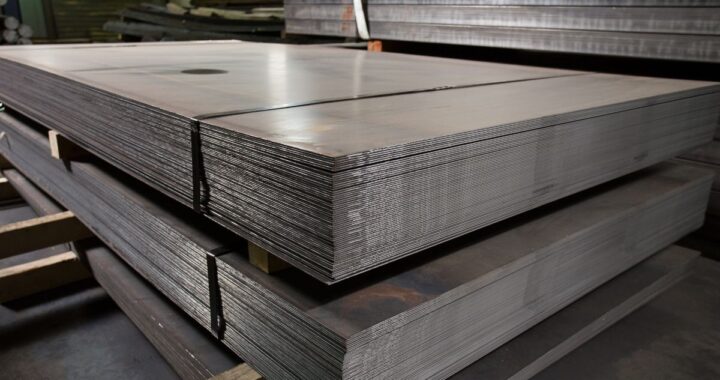
Stainless Steel plates in a warehouse

Standardizing Your Supply Chain: A Monthly Stainless Steel Price & Grade Index for South Africa

Choosing the right stainless steel grade for a coastal or marine build in South Africa is a bit like choosing tyres for a bakkie that lives on a mine road. You can get away with “standard” on paper, but the environment will punish the wrong choice, and it usually does it quietly, then all at once.

If you are buying for a factory, a hospital, a hotel group, a mine, or a big commercial site near the coast, you are not just buying sheet or plate. You are buying reliability, fewer call-outs, and less fighting with corrosion, maintenance teams, and your own capex committee.

Let’s walk through how to think about stainless steel grades South Africa for coastal and marine construction, and how NSSC can help you choose smartly, not just cheaply.

1. Coastal South Africa is beautiful… and brutal on steel

If you have ever stood on a Durban pier in August or walked the Sea Point promenade after a windy night, you already know what the numbers say. Salt is everywhere. It sits on surfaces, creeps into crevices, and turns “good enough” steel into a maintenance headache.

Coastal and marine environments in South Africa hit your structures with a rough combination:

  • Chloride-rich airborne salts from the ocean
  • High humidity and regular condensation
  • UV, wind, and in many areas, industrial pollutants on top of the sea air

Now add real-world factors: forklifts bumping rails, cleaning chemicals in food plants, seafront birds messing on canopy beams, or warm water in processing lines. Suddenly, the material spec that looked neat on the drawing can start pitting, staining, or cracking years earlier than anyone expected.

This is why “stainless is stainless” is one of the most expensive myths in construction.

To achieve true precision in stainless steel processing, NSSC offers a complete range of specialised cutting and fabrication solutions. Our advanced laser cutting services deliver unmatched accuracy and clean edges across all stainless steel grades, while our high-powered plasma cutting services provide fast, efficient results for thicker materials. For straightforward, high-speed sheet processing, our guillotine cutting services ensure perfectly straight cuts with minimal waste. When projects demand complex perforations or intricate profiles, our CNC punching services offer precision and repeatability at scale. Finally, for components that require exact weld preps or aesthetic finishing, our bevelling services deliver smooth, uniform edges that meet the highest fabrication standards.

2. Quick stainless refresher, no textbook required

Before we talk grades and codes, let’s keep the basics simple.

Stainless steel stays “stainless” because it has enough chromium in the mix, usually at least 10.5%. The chromium reacts with oxygen and forms a very thin, invisible film on the surface. This film is self-healing, so when you scratch it, it rebuilds.

The trouble starts when something attacks that film faster than it can rebuild. Chlorides from sea air and cleaning chemicals are very good at doing exactly that, especially at edges, welds, and tight corners.

That is where different grades come in. They are basically different recipes for the alloy. Change the nickel here, add molybdenum there, tweak the carbon, and you get different performance:

  • Some grades are better against pitting from chlorides
  • Some are stronger at high temperature
  • Some are cheaper and “good enough” far from the sea

For coastal and marine builds, the main families you will hear about are:

  • Austenitic grades, like 304 and 316, the workhorses in construction
  • Duplex grades, with higher strength and very strong chloride resistance

NSSC works with all of these and more, and that matters when you want a single partner that can both supply and process to spec.

3. Where your project lives matters more than what the drawing says

Here is something that often gets missed in big projects: distance from the sea is a design parameter, whether the architect writes it down or not.

A simple way to think about coastal exposure in South Africa:

  • Splash and spray zone – Waterfront structures, walkways on marinas, jetties, or anything that literally gets wet with seawater or constant spray.
  • Severe coastal zone – Up to about 500 m from breaking surf, where airborne chlorides stay high. Think beachfront hotels, coastal malls, some hospitals and factories near the shoreline.
  • Moderate coastal influence – Roughly 500 m to 5 km from the sea, depending on terrain and wind. Inland facades can still get salt, but less intense.
  • Inland – Beyond that, where corrosion is more about pollution, cleaning chemicals, or process media than sea air.

Now layer your reality onto that. A food-grade plant in Durban North, a hospital in Gqeberha, a logistics warehouse in Paarden Eiland, or conveyors at a Richards Bay terminal all sit in very different “micro-climates”, even if they share a coastal pin on the map.

This is why the question is never just “stainless or not”. It is “which grade, where, for how long, and under what abuse”.

4. The usual suspects – 304, 316, and their cousins

Let me explain the core grades you will see on your RFQs and drawings for coastal and marine work.

4.1 304 and 304L – the workhorse that can get overworked

Grade 304 is the classic stainless for many structures:

  • Good general corrosion resistance
  • Readily available in sheet, plate, tube, sections
  • Easy to form, weld, roll, and bend
  • Economical compared with higher alloy grades

304L is the low-carbon variant. The lower carbon content helps reduce the risk of sensitisation during welding, which in simple terms means less chance of the weld area becoming more prone to corrosion over time.

For inland factories, warehouses, malls, and many hospital interiors, 304 and 304L do an excellent job, especially when the design is clean and the surface finish is right.

Near the sea, it becomes a bit of a gamble. 304 can show tea staining and pitting much quicker in coastal air, especially on rough finishes, poorly drained details, or where maintenance is neglected. Buyers who have “learned the hard way” tend to move away from 304 for external coastal structures.

4.2 316 and 316L – the marine favourite

316 adds molybdenum to the recipe. That tiny addition makes a big difference to resistance against pitting and crevice corrosion from chlorides. 316L, again, is the low-carbon version for better weld performance.

In practice, 316 and 316L are:

  • The default choice for marine hardware, coastal facades, balustrades, and exposed external elements near the sea
  • Widely used in food, pharmaceutical, and chemical environments where chlorides and aggressive cleaning agents are part of life
  • A very strong candidate wherever “failure is not an option” due to safety, hygiene, or reputational risk

Yes, they cost more than 304, but the “extra” cost is often smaller than one major refurbishment or repaint cycle.

4.3 Duplex grades – when the sea and the process both fight you

Duplex stainless steels combine austenitic and ferritic structures. That gives them:

  • Higher strength
  • Very good resistance to chloride stress corrosion cracking
  • Excellent resistance against pitting in aggressive conditions

You will usually see duplex on heavy-duty coastal and marine structures:

  • Piers, jetties, and support structures
  • Desalination plants and process pipework
  • Highly aggressive industrial environments near the sea

They are not needed for every balcony rail in Ballito. But for a major port conveyor, a coastal chemical plant, or mining infrastructure near the coast, they can be the difference between a long-lived asset and an endless fight with corrosion.

5. So what about 316L vs 304L?

This is the comparison that comes up in almost every coastal project meeting at some point: 316L vs 304L.

On paper, the decision often gets reduced to “316L is better but more expensive”. In reality, it is about risk, environment, and life cycle cost.

A simple way to frame it for your internal stakeholders:

  • Corrosion resistance
    • 304L is fine for mild environments and interiors, but tends to show staining and pitting much earlier near sea air or in chloride-rich conditions.
    • 316L brings significantly better resistance to chloride attack, especially in pitting and crevice areas, thanks to the molybdenum. For coastal exteriors and marine applications, it is usually the safer baseline.
  • Cost versus lifetime
    • Material cost for 316L can be noticeably higher, especially on large tonnages.
    • However, add up scaffolding, lost revenue, safety measures, repainting, and replacement of failed components, and a “cheaper” 304L choice can quickly become the most expensive decision on the job.
  • Weldability and fabrication
    • Both 304L and 316L are weldable and formable and work well with NSSC’s in-house laser cutting, high-definition plasma cutting, waterjet cutting, section and plate rolling, CNC tube bending, and other processes.
    • The lower carbon in “L” grades helps minimise problems at the heat-affected zones of welds, which is important in coastal environments where those zones come under extra corrosion stress.

A practical rule of thumb many engineers and buyers use:

  • “If you can smell the sea, start at 316L as your base case, not 304L.”

It is not perfect science, but it keeps a lot of problems off your maintenance log.

6. When coastal means aggressive: thinking in terms of “coastal corrosion steel”

Some sites are coastal, and some are coastal and harsh. For these, you are not really just talking about “stainless steel” anymore. You are specifying coastal corrosion steel for a specific, known enemy.

These are the jobs where NSSC often sees duplex or higher alloy grades specified, or at least 316L with stricter requirements on:

  • Surface finish (for example, smoother finishes that reduce salt retention)
  • Welding procedures and post-weld cleaning
  • Crevice design, drainage, and access for cleaning

Think of:

  • Port infrastructure with constant spray
  • Exposed structural elements on seafront promenades
  • Offshore or near-shore process lines and walkways
  • Coastal chemical plants where chlorine, acids, or other harsh agents are used daily

In these projects, a generic “304 stainless” line in a spec sheet can literally be the first step toward premature failure. NSSC’s role here is to help buyers and engineers translate “seafront plus chemicals” into a grade, a finish, and a fabrication approach that will stand up to that reality.

7. Finish, fabrication, and design – the “silent” partners in corrosion performance

Here is a point that is easy to overlook when you are chasing numbers in a quote comparison: the same grade can behave very differently depending on how it is finished, fabricated, and installed.

7.1 Surface finish

Smoother finishes tend to hold less salt and dirt. That means better corrosion resistance, all else equal. Roughly polished or brushed surfaces can be more prone to tea staining and pitting in coastal environments.

So, beyond just saying “316L”, you want to think about:

  • Required surface roughness or finish type for external versus internal parts
  • Visibility and access for cleaning in public or hygienic spaces

This is where NSSC’s polishing and finishing capabilities make a big difference. You are not just buying raw plate, you are buying the right surface for the job.

7.2 Fabrication quality

Bad welding can ruin good material. Weld spatter, heat tint, and contamination from carbon steel tools can all create initiation points for corrosion.

Because NSSC handles laser cutting, HD plasma cutting, waterjet cutting, guillotining, CNC tube bending, section and plate rolling, CNC machining, milling, and welding under ISO TÜV 9001-certified controls, you get a tighter handle on these risks. The same team that understands the grade also understands how to process it without compromising its performance.

7.3 Design details

A beautifully specified duplex grade can still suffer if the design traps water and salt in crevices.

Practical design checks include:

  • Avoiding pockets that hold standing water
  • Providing drainage holes or slopes where possible
  • Ensuring access for maintenance cleaning
  • Avoiding unnecessary dissimilar metal contact that can create galvanic cells

These checks do not cost much at design stage. They cost a fortune once the structure is built and failing.

8. A simple framework for choosing grades for coastal and marine projects

Let’s put this into a decision pattern that buyers, engineers, and QS teams can use when they sit together around a table with a tender document.

You can think in terms of four key questions:

  1. Where is the structure relative to the sea and prevailing winds?
    • Seafront and splash zone
    • Coastal but slightly inland
    • Inland with minimal sea influence
  2. What is the function of the component?
    • Structural and safety critical (walkways, handrails, supports)
    • Hygienic (food plants, hospitals, pharmaceutical facilities)
    • Decorative or architectural
  3. What will it see during its life?
    • Chloride-rich spray, industrial pollutants, cleaning chemicals, hot or stagnant liquids
    • Physical abuse from traffic, forklifts, impact
  4. What lifetime are you really designing for?
    • 10 years? 20 years? More?
    • What is the acceptable maintenance interval?

From those questions, it becomes easier to place the project into a sensible band:

  • Mild coastal or inland: 304L may still be acceptable for many non-critical elements, with 316L or duplex for the harshest spots.
  • Moderate coastal: 316L as a baseline for external components, 304L for protected internal or low-risk items.
  • Severe coastal or marine + chemicals: 316L minimum, often duplex or speciality grades for critical components.

NSSC’s team has worked with this thinking across countless projects since 2008, with a combined heritage of more than three decades in stainless. That institutional memory is often what saves a project spec from being “technically correct” but practically fragile.

9. Common mistakes that keep showing up on coastal projects

You know what? The same errors show up again and again. If you can avoid these, you are already ahead of the pack.

  • Treating “304 stainless” as a one-size-fits-all solution
    It is a great grade, but coastal external conditions are exactly where its limits start to show.
  • Ignoring the “small” items
    Brackets, fixings, secondary supports, and small welded attachments often fail first, even if the main structural members are a higher grade.
  • Mixing grades without thinking about the weakest link
    Using 316L plate with 304 fasteners, or duplex beams with lower grade welded plates, can bring the performance of the system down to the weakest component.
  • Skipping proper cleaning after fabrication
    Heat tint and contamination at welds are early corrosion triggers in coastal environments.
  • Focusing only on material cost, not access and maintenance costs
    A slightly cheaper grade choice on a roof structure that needs special access equipment can mean huge long-term costs when corrosion repair becomes necessary.

NSSC’s customer-first approach is not a slogan here. It is literally about asking the awkward questions upfront so you do not end up with awkward surprises five years after handover.

10. NSSC’s role as your “precision partner” for coastal and marine work

Grade selection is one part of the story. The other part is having a partner that can carry that choice through cutting, forming, and finishing without losing the original intent of the specification.

From its base on the corner of Pomona Road and 5th Avenue in Bredell, Kempton Park, NSSC supports coastal and marine projects across South Africa with:

  • Material supply
    Comprehensive stock of stainless sheets and plates, including duplex and other advanced alloys for demanding environments.
  • Advanced processing under one roof
    Laser cutting, high-definition plasma cutting, waterjet cutting, guillotining, CNC tube bending, section and plate rolling, bending, polishing, CNC machining, milling, and welding. That means your “correct” grade is delivered as a “correctly processed” component, not just a raw plate.
  • Quality and compliance
    ISO TÜV 9001 certification and BBBEE Level 3 status, which is important for both technical comfort and procurement frameworks.
  • Technical guidance and quick turnaround
    The team’s heritage of more than 30 years in stainless helps bridge the gap between theory and reality. Whether you are buying for a mine, a hospital group, a hotel chain, or a coastal logistics hub, you get practical input that fits both your environment and your budget pressures.

In short, NSSC is set up so that a buyer can move from “we think we need 316L for this coastal structure” to “we have the right grade, processed to spec, ready to install”.

11. Life cycle cost – how to sell the “more expensive” grade to your stakeholders

Let’s be honest. Many buyers know they should choose a higher grade for coastal environments, but they still get pushed to the lowest upfront cost by budget holders who are not the ones dealing with rust streaks and warranty claims later.

A simple way to frame the conversation internally:

  1. Separate material cost from total project cost
    Show the percentage of total build cost that the stainless represents. On many projects, moving from 304L to 316L is a small percentage change on the total, even if it feels big at material level.
  2. Put real numbers on maintenance
    Estimate scaffolding, labour, production downtime, and reputational risk for one major corrosion repair cycle. Even ballpark figures often dwarf the saving from a lower grade.
  3. Use comparative case logic
    “Site A used 304 near the sea and had to refurbish in X years, site B used 316L and is still performing after Y years.” Even anecdotal evidence carries weight if it comes from credible engineers or maintenance teams.
  4. Tie grade choice to safety and compliance
    For hospitals, food plants, pharmaceutical facilities, and public spaces, corrosion is not just a visual issue. It can affect hygiene, safety, and compliance audits.

NSSC’s team can help with this conversation by providing technical notes, suggested grade selections, and clear explanations that you can share with project managers, engineers, and finance.

12. A practical buyer’s checklist for coastal and marine stainless

To round this out, here is a compact checklist you can keep on your desk or share with your team when you are reviewing specs and quotes for coastal projects:

  • Have we clearly identified whether the structure is splash zone, severe coastal, moderate coastal, or inland?
  • Have we specified the stainless grade for each exposure level, not just “stainless” globally?
  • Is 316L or a higher grade used on external coastal elements that are visible, safety critical, or hard to access later?
  • Have we matched fasteners and small components to the performance of the main members?
  • Are surface finishes specified clearly, especially for external and hygienic areas?
  • Have fabrication and post-weld cleaning requirements been communicated to suppliers?
  • Have we considered duplex or higher alloy grades for extremely aggressive environments with both marine exposure and chemicals?
  • Do we have a basic maintenance and cleaning plan for the stainless structures, especially near the sea?

If you can tick off most of these with confidence, you are already significantly reducing your long-term corrosion risk.

13. Bringing it all together – and where NSSC fits in

Coastal and marine construction in South Africa is unforgiving. The sea air does not care about “value engineering” on paper. It tests every weld, every bracket, every overlooked detail.

Choosing the right grade is not about perfection. It is about stacking the odds in your favour:

  • Match the grade to the environment and exposure.
  • Specify finishes and fabrication that support corrosion resistance.
  • Think about life cycle cost, not just the cheapest tonnage price.
  • Work with a precision partner that understands both material science and day-to-day industrial realities.

NSSC sits exactly in that space. With a facility in Bredell, Kempton Park, serving clients across South Africa, and with decades of stainless experience behind the team, the company is well placed to help you select, process, and deliver stainless components that stand up to coastal and marine punishment.

If you are planning or running a coastal project and you are wrestling with grade choices, finishes, or fabrication questions, it is worth having that conversation early. Reach out to NSSC on +27 11 552 8800 or info@nssc.co.za, bring your drawings, your site conditions, and your concerns, and let a specialist help you choose stainless that does what it is supposed to do: stay strong, stay clean, and stay in service for the long haul.

Stainless steel coastal railing overlooking a lighthouse, beach, and oceanfront buildings in South Africa.”

Selecting the Right Stainless Steel Grade for Coastal & Marine Construction in South Africa

Choosing the right stainless steel grade for a coastal or marine build in South Africa is a bit like choosing tyres for a bakkie that lives on a mine road. You can get away with “standard” on paper, but the environment will punish the wrong choice, and it usually does it quietly, then all at once.

If you are buying for a factory, a hospital, a hotel group, a mine, or a big commercial site near the coast, you are not just buying sheet or plate. You are buying reliability, fewer call-outs, and less fighting with corrosion, maintenance teams, and your own capex committee.

Let’s walk through how to think about stainless steel grades South Africa for coastal and marine construction, and how NSSC can help you choose smartly, not just cheaply.

1. Coastal South Africa is beautiful… and brutal on steel

If you have ever stood on a Durban pier in August or walked the Sea Point promenade after a windy night, you already know what the numbers say. Salt is everywhere. It sits on surfaces, creeps into crevices, and turns “good enough” steel into a maintenance headache.

Coastal and marine environments in South Africa hit your structures with a rough combination:

  • Chloride-rich airborne salts from the ocean
  • High humidity and regular condensation
  • UV, wind, and in many areas, industrial pollutants on top of the sea air

Now add real-world factors: forklifts bumping rails, cleaning chemicals in food plants, seafront birds messing on canopy beams, or warm water in processing lines. Suddenly, the material spec that looked neat on the drawing can start pitting, staining, or cracking years earlier than anyone expected.

This is why “stainless is stainless” is one of the most expensive myths in construction.

To achieve true precision in stainless steel processing, NSSC offers a complete range of specialised cutting and fabrication solutions. Our advanced laser cutting services deliver unmatched accuracy and clean edges across all stainless steel grades, while our high-powered plasma cutting services provide fast, efficient results for thicker materials. For straightforward, high-speed sheet processing, our guillotine cutting services ensure perfectly straight cuts with minimal waste. When projects demand complex perforations or intricate profiles, our CNC punching services offer precision and repeatability at scale. Finally, for components that require exact weld preps or aesthetic finishing, our bevelling services deliver smooth, uniform edges that meet the highest fabrication standards.

2. Quick stainless refresher, no textbook required

Before we talk grades and codes, let’s keep the basics simple.

Stainless steel stays “stainless” because it has enough chromium in the mix, usually at least 10.5%. The chromium reacts with oxygen and forms a very thin, invisible film on the surface. This film is self-healing, so when you scratch it, it rebuilds.

The trouble starts when something attacks that film faster than it can rebuild. Chlorides from sea air and cleaning chemicals are very good at doing exactly that, especially at edges, welds, and tight corners.

That is where different grades come in. They are basically different recipes for the alloy. Change the nickel here, add molybdenum there, tweak the carbon, and you get different performance:

  • Some grades are better against pitting from chlorides
  • Some are stronger at high temperature
  • Some are cheaper and “good enough” far from the sea

For coastal and marine builds, the main families you will hear about are:

  • Austenitic grades, like 304 and 316, the workhorses in construction
  • Duplex grades, with higher strength and very strong chloride resistance

NSSC works with all of these and more, and that matters when you want a single partner that can both supply and process to spec.

3. Where your project lives matters more than what the drawing says

Here is something that often gets missed in big projects: distance from the sea is a design parameter, whether the architect writes it down or not.

A simple way to think about coastal exposure in South Africa:

  • Splash and spray zone – Waterfront structures, walkways on marinas, jetties, or anything that literally gets wet with seawater or constant spray.
  • Severe coastal zone – Up to about 500 m from breaking surf, where airborne chlorides stay high. Think beachfront hotels, coastal malls, some hospitals and factories near the shoreline.
  • Moderate coastal influence – Roughly 500 m to 5 km from the sea, depending on terrain and wind. Inland facades can still get salt, but less intense.
  • Inland – Beyond that, where corrosion is more about pollution, cleaning chemicals, or process media than sea air.

Now layer your reality onto that. A food-grade plant in Durban North, a hospital in Gqeberha, a logistics warehouse in Paarden Eiland, or conveyors at a Richards Bay terminal all sit in very different “micro-climates”, even if they share a coastal pin on the map.

This is why the question is never just “stainless or not”. It is “which grade, where, for how long, and under what abuse”.

4. The usual suspects – 304, 316, and their cousins

Let me explain the core grades you will see on your RFQs and drawings for coastal and marine work.

4.1 304 and 304L – the workhorse that can get overworked

Grade 304 is the classic stainless for many structures:

  • Good general corrosion resistance
  • Readily available in sheet, plate, tube, sections
  • Easy to form, weld, roll, and bend
  • Economical compared with higher alloy grades

304L is the low-carbon variant. The lower carbon content helps reduce the risk of sensitisation during welding, which in simple terms means less chance of the weld area becoming more prone to corrosion over time.

For inland factories, warehouses, malls, and many hospital interiors, 304 and 304L do an excellent job, especially when the design is clean and the surface finish is right.

Near the sea, it becomes a bit of a gamble. 304 can show tea staining and pitting much quicker in coastal air, especially on rough finishes, poorly drained details, or where maintenance is neglected. Buyers who have “learned the hard way” tend to move away from 304 for external coastal structures.

4.2 316 and 316L – the marine favourite

316 adds molybdenum to the recipe. That tiny addition makes a big difference to resistance against pitting and crevice corrosion from chlorides. 316L, again, is the low-carbon version for better weld performance.

In practice, 316 and 316L are:

  • The default choice for marine hardware, coastal facades, balustrades, and exposed external elements near the sea
  • Widely used in food, pharmaceutical, and chemical environments where chlorides and aggressive cleaning agents are part of life
  • A very strong candidate wherever “failure is not an option” due to safety, hygiene, or reputational risk

Yes, they cost more than 304, but the “extra” cost is often smaller than one major refurbishment or repaint cycle.

4.3 Duplex grades – when the sea and the process both fight you

Duplex stainless steels combine austenitic and ferritic structures. That gives them:

  • Higher strength
  • Very good resistance to chloride stress corrosion cracking
  • Excellent resistance against pitting in aggressive conditions

You will usually see duplex on heavy-duty coastal and marine structures:

  • Piers, jetties, and support structures
  • Desalination plants and process pipework
  • Highly aggressive industrial environments near the sea

They are not needed for every balcony rail in Ballito. But for a major port conveyor, a coastal chemical plant, or mining infrastructure near the coast, they can be the difference between a long-lived asset and an endless fight with corrosion.

5. So what about 316L vs 304L?

This is the comparison that comes up in almost every coastal project meeting at some point: 316L vs 304L.

On paper, the decision often gets reduced to “316L is better but more expensive”. In reality, it is about risk, environment, and life cycle cost.

A simple way to frame it for your internal stakeholders:

  • Corrosion resistance
    • 304L is fine for mild environments and interiors, but tends to show staining and pitting much earlier near sea air or in chloride-rich conditions.
    • 316L brings significantly better resistance to chloride attack, especially in pitting and crevice areas, thanks to the molybdenum. For coastal exteriors and marine applications, it is usually the safer baseline.
  • Cost versus lifetime
    • Material cost for 316L can be noticeably higher, especially on large tonnages.
    • However, add up scaffolding, lost revenue, safety measures, repainting, and replacement of failed components, and a “cheaper” 304L choice can quickly become the most expensive decision on the job.
  • Weldability and fabrication
    • Both 304L and 316L are weldable and formable and work well with NSSC’s in-house laser cutting, high-definition plasma cutting, waterjet cutting, section and plate rolling, CNC tube bending, and other processes.
    • The lower carbon in “L” grades helps minimise problems at the heat-affected zones of welds, which is important in coastal environments where those zones come under extra corrosion stress.

A practical rule of thumb many engineers and buyers use:

  • “If you can smell the sea, start at 316L as your base case, not 304L.”

It is not perfect science, but it keeps a lot of problems off your maintenance log.

6. When coastal means aggressive: thinking in terms of “coastal corrosion steel”

Some sites are coastal, and some are coastal and harsh. For these, you are not really just talking about “stainless steel” anymore. You are specifying coastal corrosion steel for a specific, known enemy.

These are the jobs where NSSC often sees duplex or higher alloy grades specified, or at least 316L with stricter requirements on:

  • Surface finish (for example, smoother finishes that reduce salt retention)
  • Welding procedures and post-weld cleaning
  • Crevice design, drainage, and access for cleaning

Think of:

  • Port infrastructure with constant spray
  • Exposed structural elements on seafront promenades
  • Offshore or near-shore process lines and walkways
  • Coastal chemical plants where chlorine, acids, or other harsh agents are used daily

In these projects, a generic “304 stainless” line in a spec sheet can literally be the first step toward premature failure. NSSC’s role here is to help buyers and engineers translate “seafront plus chemicals” into a grade, a finish, and a fabrication approach that will stand up to that reality.

7. Finish, fabrication, and design – the “silent” partners in corrosion performance

Here is a point that is easy to overlook when you are chasing numbers in a quote comparison: the same grade can behave very differently depending on how it is finished, fabricated, and installed.

7.1 Surface finish

Smoother finishes tend to hold less salt and dirt. That means better corrosion resistance, all else equal. Roughly polished or brushed surfaces can be more prone to tea staining and pitting in coastal environments.

So, beyond just saying “316L”, you want to think about:

  • Required surface roughness or finish type for external versus internal parts
  • Visibility and access for cleaning in public or hygienic spaces

This is where NSSC’s polishing and finishing capabilities make a big difference. You are not just buying raw plate, you are buying the right surface for the job.

7.2 Fabrication quality

Bad welding can ruin good material. Weld spatter, heat tint, and contamination from carbon steel tools can all create initiation points for corrosion.

Because NSSC handles laser cutting, HD plasma cutting, waterjet cutting, guillotining, CNC tube bending, section and plate rolling, CNC machining, milling, and welding under ISO TÜV 9001-certified controls, you get a tighter handle on these risks. The same team that understands the grade also understands how to process it without compromising its performance.

7.3 Design details

A beautifully specified duplex grade can still suffer if the design traps water and salt in crevices.

Practical design checks include:

  • Avoiding pockets that hold standing water
  • Providing drainage holes or slopes where possible
  • Ensuring access for maintenance cleaning
  • Avoiding unnecessary dissimilar metal contact that can create galvanic cells

These checks do not cost much at design stage. They cost a fortune once the structure is built and failing.

8. A simple framework for choosing grades for coastal and marine projects

Let’s put this into a decision pattern that buyers, engineers, and QS teams can use when they sit together around a table with a tender document.

You can think in terms of four key questions:

  1. Where is the structure relative to the sea and prevailing winds?
    • Seafront and splash zone
    • Coastal but slightly inland
    • Inland with minimal sea influence
  2. What is the function of the component?
    • Structural and safety critical (walkways, handrails, supports)
    • Hygienic (food plants, hospitals, pharmaceutical facilities)
    • Decorative or architectural
  3. What will it see during its life?
    • Chloride-rich spray, industrial pollutants, cleaning chemicals, hot or stagnant liquids
    • Physical abuse from traffic, forklifts, impact
  4. What lifetime are you really designing for?
    • 10 years? 20 years? More?
    • What is the acceptable maintenance interval?

From those questions, it becomes easier to place the project into a sensible band:

  • Mild coastal or inland: 304L may still be acceptable for many non-critical elements, with 316L or duplex for the harshest spots.
  • Moderate coastal: 316L as a baseline for external components, 304L for protected internal or low-risk items.
  • Severe coastal or marine + chemicals: 316L minimum, often duplex or speciality grades for critical components.

NSSC’s team has worked with this thinking across countless projects since 2008, with a combined heritage of more than three decades in stainless. That institutional memory is often what saves a project spec from being “technically correct” but practically fragile.

9. Common mistakes that keep showing up on coastal projects

You know what? The same errors show up again and again. If you can avoid these, you are already ahead of the pack.

  • Treating “304 stainless” as a one-size-fits-all solution
    It is a great grade, but coastal external conditions are exactly where its limits start to show.
  • Ignoring the “small” items
    Brackets, fixings, secondary supports, and small welded attachments often fail first, even if the main structural members are a higher grade.
  • Mixing grades without thinking about the weakest link
    Using 316L plate with 304 fasteners, or duplex beams with lower grade welded plates, can bring the performance of the system down to the weakest component.
  • Skipping proper cleaning after fabrication
    Heat tint and contamination at welds are early corrosion triggers in coastal environments.
  • Focusing only on material cost, not access and maintenance costs
    A slightly cheaper grade choice on a roof structure that needs special access equipment can mean huge long-term costs when corrosion repair becomes necessary.

NSSC’s customer-first approach is not a slogan here. It is literally about asking the awkward questions upfront so you do not end up with awkward surprises five years after handover.

10. NSSC’s role as your “precision partner” for coastal and marine work

Grade selection is one part of the story. The other part is having a partner that can carry that choice through cutting, forming, and finishing without losing the original intent of the specification.

From its base on the corner of Pomona Road and 5th Avenue in Bredell, Kempton Park, NSSC supports coastal and marine projects across South Africa with:

  • Material supply
    Comprehensive stock of stainless sheets and plates, including duplex and other advanced alloys for demanding environments.
  • Advanced processing under one roof
    Laser cutting, high-definition plasma cutting, waterjet cutting, guillotining, CNC tube bending, section and plate rolling, bending, polishing, CNC machining, milling, and welding. That means your “correct” grade is delivered as a “correctly processed” component, not just a raw plate.
  • Quality and compliance
    ISO TÜV 9001 certification and BBBEE Level 3 status, which is important for both technical comfort and procurement frameworks.
  • Technical guidance and quick turnaround
    The team’s heritage of more than 30 years in stainless helps bridge the gap between theory and reality. Whether you are buying for a mine, a hospital group, a hotel chain, or a coastal logistics hub, you get practical input that fits both your environment and your budget pressures.

In short, NSSC is set up so that a buyer can move from “we think we need 316L for this coastal structure” to “we have the right grade, processed to spec, ready to install”.

11. Life cycle cost – how to sell the “more expensive” grade to your stakeholders

Let’s be honest. Many buyers know they should choose a higher grade for coastal environments, but they still get pushed to the lowest upfront cost by budget holders who are not the ones dealing with rust streaks and warranty claims later.

A simple way to frame the conversation internally:

  1. Separate material cost from total project cost
    Show the percentage of total build cost that the stainless represents. On many projects, moving from 304L to 316L is a small percentage change on the total, even if it feels big at material level.
  2. Put real numbers on maintenance
    Estimate scaffolding, labour, production downtime, and reputational risk for one major corrosion repair cycle. Even ballpark figures often dwarf the saving from a lower grade.
  3. Use comparative case logic
    “Site A used 304 near the sea and had to refurbish in X years, site B used 316L and is still performing after Y years.” Even anecdotal evidence carries weight if it comes from credible engineers or maintenance teams.
  4. Tie grade choice to safety and compliance
    For hospitals, food plants, pharmaceutical facilities, and public spaces, corrosion is not just a visual issue. It can affect hygiene, safety, and compliance audits.

NSSC’s team can help with this conversation by providing technical notes, suggested grade selections, and clear explanations that you can share with project managers, engineers, and finance.

12. A practical buyer’s checklist for coastal and marine stainless

To round this out, here is a compact checklist you can keep on your desk or share with your team when you are reviewing specs and quotes for coastal projects:

  • Have we clearly identified whether the structure is splash zone, severe coastal, moderate coastal, or inland?
  • Have we specified the stainless grade for each exposure level, not just “stainless” globally?
  • Is 316L or a higher grade used on external coastal elements that are visible, safety critical, or hard to access later?
  • Have we matched fasteners and small components to the performance of the main members?
  • Are surface finishes specified clearly, especially for external and hygienic areas?
  • Have fabrication and post-weld cleaning requirements been communicated to suppliers?
  • Have we considered duplex or higher alloy grades for extremely aggressive environments with both marine exposure and chemicals?
  • Do we have a basic maintenance and cleaning plan for the stainless structures, especially near the sea?

If you can tick off most of these with confidence, you are already significantly reducing your long-term corrosion risk.

13. Bringing it all together – and where NSSC fits in

Coastal and marine construction in South Africa is unforgiving. The sea air does not care about “value engineering” on paper. It tests every weld, every bracket, every overlooked detail.

Choosing the right grade is not about perfection. It is about stacking the odds in your favour:

  • Match the grade to the environment and exposure.
  • Specify finishes and fabrication that support corrosion resistance.
  • Think about life cycle cost, not just the cheapest tonnage price.
  • Work with a precision partner that understands both material science and day-to-day industrial realities.

NSSC sits exactly in that space. With a facility in Bredell, Kempton Park, serving clients across South Africa, and with decades of stainless experience behind the team, the company is well placed to help you select, process, and deliver stainless components that stand up to coastal and marine punishment.

If you are planning or running a coastal project and you are wrestling with grade choices, finishes, or fabrication questions, it is worth having that conversation early. Reach out to NSSC on +27 11 552 8800 or info@nssc.co.za, bring your drawings, your site conditions, and your concerns, and let a specialist help you choose stainless that does what it is supposed to do: stay strong, stay clean, and stay in service for the long haul.

Robotic welding arm working on a stainless steel sheet in an automated fabrication facility.”

Preparing for the Future: How Automation, Robotics and Data Are Changing Stainless Steel Fabrication

1. The future is not coming, it is already humming in the workshop

If you walk through a traditional fabrication shop, you hear a certain sound. Grinders, oxy torches, manual layout on big plates, a lot of tape measures and handwritten notes. There is skill there, no doubt, but there is also a lot of variability and a lot of waiting.

Now picture a stainless specialist like National Stainless Steel Centre. Sheets and plates are logged into stock. Cutting programs move from CAD to laser and high-definition plasma machines. Waterjet equipment handles tricky jobs. CNC tube bending and section rolling shape components with repeatable precision. Welding bays are set up with clear procedures. Quality checks and job tracking run under ISO TÜV 9001 systems.

That is what the future of automation in steel fabrication actually looks like. Not a science fiction movie. A South African stainless operation in Kempton Park that has been evolving since 2008, building on a team heritage that goes back more than 30 years.

The big question is not whether automation, robotics and data will change stainless fabrication. They already have. The question is whether buyers in FMCG, mining, hospitals, hotel groups, commercial property and industrial sectors are ready to use those changes to their advantage.

To achieve true precision in stainless steel processing, NSSC offers a complete range of specialised cutting and fabrication solutions. Our advanced laser cutting services deliver unmatched accuracy and clean edges across all stainless steel grades, while our high-powered plasma cutting services provide fast, efficient results for thicker materials. For straightforward, high-speed sheet processing, our guillotine cutting services ensure perfectly straight cuts with minimal waste. When projects demand complex perforations or intricate profiles, our CNC punching services offer precision and repeatability at scale. Finally, for components that require exact weld preps or aesthetic finishing, our bevelling services deliver smooth, uniform edges that meet the highest fabrication standards.

2. What automation and data really mean for a buyer

Let me explain this in plain language, not buzzwords.

When fabricators talk about automation and data, they are talking about a few very practical things that affect your life as a buyer:

  • Lead times that are predictable instead of “we will see how it goes”
  • Parts that match drawings first time, so site work is faster
  • Less waste on material, so costs are easier to justify
  • Better traceability, so you know what grade went where
  • Clearer pricing logic, so you can plan and report with confidence

Robotics and smart systems do not remove people. They change what people spend their energy on. Less time layout out parts by hand, more time solving real problems. Less time fixing avoidable errors, more time improving designs.

For you, that means fewer awkward calls to explain why a project is slipping, and fewer surprises when the invoice lands.

National Stainless Steel Centre operates exactly in that space, as a full-service stainless partner that combines material supply with in-house processing and a customer-first approach. Automation and data are not slogans, they are built into how work is planned and delivered.

3. Cutting and prep – where smart machines quietly save you money

Every stainless project starts with plate and sheet. How those plates are cut on day one ripples all the way through to installation.

On a modern floor, nesting software arranges parts to get the most out of each plate, balancing yield, heat input and machine time. Cutting tables driven by CNC take drawings directly from design teams. That is the backbone of a strong stainless steel processing workflow, even if nobody outside the workshop ever sees it.

At NSSC, cutting is handled by:

  • Laser cutting for high precision profiles and tight tolerances
  • High definition plasma cutting for heavier plate and robust work
  • Waterjet cutting where heat must be kept low or materials are complex
  • Guillotining for straight cuts on sheet and plate

Automation here is not only about speed. It is about consistency and waste reduction. Clever nesting reduces offcuts. Accurate cuts reduce rework and grinding. Clear digital job data reduces the chance that the wrong plate thickness lands on the wrong machine.

If you are buying for multiple sites or repeating designs across projects, that consistency adds up quickly. The same part cut today and cut in six months’ time will behave the same way, because the process behind it is controlled.

4. Welding and assembly – where robotics earn their keep

Cutting and forming prepare the pieces. Welding and assembly turn them into something you can install.

This is exactly where the conversation about robotic welding South Africa becomes real. It is not just a cool phrase. It is a practical answer to a common pain: repeatability.

Think about repetitive welds on handrail posts, frames, brackets, conveyor guards, tank skirts, ladder hoops, balustrade posts. A human can do them well. A human can also get tired, rushed or distracted. A robot does not get bored doing the same weld a hundred times.

Robotic or semi-automated welding cells, guided by good procedures and skilled technicians, bring:

  • Consistent penetration and bead appearance
  • Control of heat input, which protects stainless properties
  • Less distortion on long members
  • Shorter cycle times on high-repetition work

For buyers, that shows up as more uniform quality, fewer surprises on fit-up, and better aesthetics in architectural and semi-architectural applications.

It is important to say this clearly. Automation in welding is not about replacing skilled welders. It is about using their skill where it really counts, on complex joints and high consequence areas, while letting machines handle the grind of repetitive work.

NSSC’s welding capability sits in this modern middle ground. Manual skill where it is needed, supported by procedures, jigs and increasingly automated tools where consistency is king.

5. Data in the background – the quiet side of “Industry 4.0”

You do not see it on a finished component, but data is running in the background of every modern shop.

Machine controllers record run times. Job systems track which operator worked on which batch. Nesting software logs material yields. Quality checks are recorded against job numbers. Over time, this becomes a digital memory of how work actually flows.

This is where the idea of Industry 4.0 steel comes in. It sounds fancy, but in practice it means:

  • Quoting that draws on real historical performance, not guesswork
  • Capacity planning that understands bottlenecks ahead of time
  • Maintenance that can be planned before machines fail
  • Traceability, so you can link a component on your site back to the plate it came from

For you, that data pays off in a few ways:

  • Smarter discussions about lead times and realistic deadlines
  • Better documentation for audits in food, medical and industrial sectors
  • Stronger justification when you argue for material choices in capex processes

NSSC’s ISO TÜV 9001 framework supports this data-driven way of working. It is not about drowning you in reports. It is about making sure that decisions about stainless are grounded in reality.

6. How this actually plays out in your sectors

Let us make it a bit more concrete and bring it into your world.

FMCG and food processing

In a bottling or dairy plant, stainless is everywhere. Platforms, pipe bridges, wash bays, guards, walkways, access ways. Automated cutting and forming make it easier to roll out standard modules across multiple sites, while data helps you track which designs gave the best life in harsh wash down environments.

Robotic or highly controlled welding supports hygiene by delivering smoother, more consistent welds that clean reliably. Integration with your own maintenance records ties together how design tweaks affected cleaning time and line availability.

Mining and minerals

Mines push stainless hard in launders, chutes, walkways, sumps and certain process vessels. Automation helps cut heavy plate accurately and bend or roll it repeatably, even on large components. Data on wear patterns and repair frequencies can loop back to design, material and thickness decisions.

Automation also helps manage safety. The more repetitive fabrication work that can be done in a controlled environment at NSSC’s Kempton Park facility, the less of that risk sits on your site, especially at height or in confined spaces.

Hospitals and healthcare

Stainless in hospitals is about hygiene, perception and durability. Theatres, CSSD areas, wards, kitchens and public spaces all lean on stainless for the surfaces that take constant cleaning.

Automated processing gives you repeatable cabinets, counters, rails and cladding that match standards across a group. Data and traceability help during compliance audits. Clean, consistent welds and finishes reduce dirt traps, which infection control teams appreciate even if they never see the cutting program that created the part.

Hotels and hospitality

For hotels and resorts, stainless is both back of house and front of house. Kitchens, laundry, plant rooms, balustrades, pool areas, bars, lifts.

Automation helps ensure that a custom balustrade design for one property can be reproduced or adapted reliably for another. Robotic welding and controlled polishing give you visible components that look the same across a portfolio, even when installed years apart.

Commercial property and industrial warehouses

In commercial foyers, parking structures, mezzanines and warehouse platforms, stainless and mild steel often mix. Using a centre that is geared for stainless and has strong processes reduces the chance of contamination from carbon steel work and improves the consistency of visible components.

Smart planning and data help with large roll-outs, such as standardised stair cores or safety structures across a national property portfolio.

7. NSSC’s role as a future ready stainless partner

So where does National Stainless Steel Centre stand in all of this?

NSSC is already running many of the pieces we have just described:

  • Material stock in a wide range of grades, including duplex and other specialised alloys
  • Laser cutting, high definition plasma cutting, waterjet cutting and guillotining for plate and sheet
  • CNC tube bending, section and plate rolling, and bending for shapes and frames
  • Polishing, deburring and finishing for both industrial and architectural applications
  • CNC machining and milling for precise details
  • Welding under structured procedures for reliable repeatability

Layer on ISO TÜV 9001 certification, BBBEE Level 3 status and a customer-first culture, and you have a partner that is not experimenting from scratch. NSSC is already a practical expression of where stainless fabrication in South Africa is heading.

Is every process completely automated and digitised? No, and that is actually healthy. The strongest model for the near future is a blend. Skilled people using advanced tools and data in a controlled environment, focused on delivering consistent quality for buyers who care about performance and total cost, not only the cheapest kilo this week.

8. What buyers can do now to make the most of these changes

Here is the good news. You do not need to overhaul your entire procurement strategy to benefit from automation and data in stainless fabrication. You can start with a few smart moves.

Share more context, not just measurements

Automation works best when the partner understands where the parts will live. Tell NSSC whether you are building for a coastal mine, a hospital theatre, a Durban hotel or a Gauteng warehouse. That helps them choose grades, finishes and processes that suit your reality.

Standardise where it makes sense

If you know you will repeat certain platforms, guards, stair types or rail details across sites, say so. NSSC can treat those as standard patterns, build efficient programs and deliver them more predictably.

Ask how data can help you

You do not need every log file. But you can ask for enough information to support your internal needs. For example, consistent naming of parts, batch records for certain grades, or simple summaries of material usage by project.

Think in assemblies, not only plates

An automated and integrated shop is well placed to deliver sub-assemblies, not just flat pieces. That can shorten installation time and reduce site risk. Work with NSSC to decide where that makes sense and where loose parts are still better.

Be open to feedback

Sometimes the data and experience on the fabrication side will suggest a design tweak that improves cost, lead time or performance. Being open to those suggestions is one of the quickest ways to gain value from a modern partner.

9. A practical “future ready” checklist for your next stainless project

To make this truly usable, here is a checklist you can lift straight into your next internal brief.

When you are planning a project with significant stainless content, ask:

  1. Have we specified not only dimensions, but also environment and sector context?
  2. Are grades and finishes chosen with long-term cleaning and corrosion in mind, not only first cost?
  3. Can we group repeating items so that automation can really help, for example, common platform modules or rail types?
  4. Have we asked our stainless partner how they will cut, form and weld, and how automation supports consistency?
  5. Do we have a clear view on where robotic or semi-automated welding can reduce risk and variation on repetitive items?
  6. Are our drawing standards and file formats aligned with a digital workflow, or are we creating manual work at every step?
  7. Have we defined what documentation and traceability we actually need, especially for food, medical or high-risk industrial jobs?
  8. Is there an opportunity to move more fabrication into the controlled environment of the stainless centre, reducing on-site hot work and improvisation?

If you can answer most of those with “yes, and NSSC is helping us with it”, you are already ahead of many organisations that are still treating stainless as an ad hoc, project by project scramble.

10. Preparing for the next ten years, not the last ten

Honestly, it is easy to think about automation, robotics and data as things that only big global players need to worry about. But if you look closely, you will see that the same forces are already shaping stainless work in South Africa.

Laser and waterjet cutting, CNC bending and rolling, smarter welding setups, better planning tools, traceability, integrated quality systems. These are not distant trends. They are part of how National Stainless Steel Centre operates every day from Kempton Park, serving mines, FMCG plants, hospitals, hotel groups, commercial properties and industrial clients across the country.

The phrase “future ready” can sound vague, so let us pin it down.

Being ready for the future of stainless fabrication means:

  • Choosing partners that are already working in an automated and data aware way
  • Sharing enough information that those partners can add value, not just fill orders
  • Standardising and repeating smart designs instead of reinventing them every time
  • Treating stainless as a long-term asset, not a short-term line item

If you do that, the buzzwords take care of themselves. You benefit from automation in steel fabrication, from the reality behind the phrase robotic welding South Africa, and from the quiet strength of an Industry 4.0 steel ecosystem that is slowly taking shape around you.

If you would like to see how this looks up close, or you have projects coming where stainless is more than a minor detail, it is a good moment to talk to NSSC. Bring your drawings, your timelines, and your headaches from recent projects. The team can help you map a cleaner, smarter path from spec to installation.

Because the future of stainless is not only about machines. It is about the decisions you make now about who you work with, and how you let technology support the reliability, safety and appearance of your sites for years to come.

Large stainless steel coils neatly lined up in an industrial warehouse, resting on yellow-and-black supports.

Lifecycle Cost of Stainless Steel vs Carbon Steel in the Mining Sector

The “cheap steel” problem on a mine

If you stand at a mine plant during a shutdown and look around, you see something very clearly. You see welders, scaffolding, scaff tags everywhere, slurry lines drained, and a long list of “corroded items” that suddenly became urgent.

Handrails that started flaking. Launders that thinned out faster than expected. Sumps that look older than the plant’s commissioning date. And somewhere nearby, a buyer or engineer is thinking, “We saved money on that spec, but we are paying for it now”.

That is the heart of the lifecycle cost steel conversation. Not what the tonnage costs on the day you place the order, but what that decision does to your mining operation over ten, fifteen, even twenty years.

National Stainless Steel Centre (NSSC) lives in that space. Based in Bredell, Kempton Park, with operations since 2008 and a team history stretching back more than three decades in stainless, NSSC supplies and processes stainless components for mining, FMCG, industrial, commercial, and healthcare sectors. In mining in particular, they keep seeing the same pattern: carbon steel looks cheaper, then corrosion, downtime, and maintenance turn the script on its head.

Let’s talk lifecycle cost, not just line-item price

In many project meetings, the decision seems simple. Carbon steel is cheaper per kilogram than stainless, and that is true on the face of it. The temptation is strong to pick the cheaper figure, especially under capex pressure.

But mines are not one year businesses. They think in life of mine, in ramp up curves, in long horizon maintenance budgets. That is exactly where lifecycle cost comes in.

Lifecycle cost for steel includes:

  • The initial material and fabrication cost
  • Coatings and protection systems over time
  • Scheduled and unscheduled maintenance
  • Downtime during shutdowns or failures
  • Replacement or upgrade costs when components reach the end of life
  • Safety, environmental, and product loss costs when things go wrong

If you only look at the first point, carbon steel wins most of the time. As soon as you look at the full picture, in aggressive mining conditions, the numbers start changing quite noticeably.

You know what? It is a bit like buying a bakkie for the mine roads. You can buy something cheaper that works for a year or two, or something built for punishment that costs more upfront but gives you fewer nasty surprises.

To achieve true precision in stainless steel processing, NSSC offers a complete range of specialised cutting and fabrication solutions. Our advanced laser cutting services deliver unmatched accuracy and clean edges across all stainless steel grades, while our high-powered plasma cutting services provide fast, efficient results for thicker materials. For straightforward, high-speed sheet processing, our guillotine cutting services ensure perfectly straight cuts with minimal waste. When projects demand complex perforations or intricate profiles, our CNC punching services offer precision and repeatability at scale. Finally, for components that require exact weld preps or aesthetic finishing, our bevelling services deliver smooth, uniform edges that meet the highest fabrication standards.

A quick, low-jargon refresher on stainless vs carbon steel

Let’s keep it practical.

Carbon steel is basically iron with a small amount of carbon and maybe a few other elements. It is strong, easy to weld, and widely used. The downside is that in the presence of moisture, oxygen, and aggressive media such as chlorides or acids, it rusts, and it rusts quickly if unprotected.

Stainless steel adds a higher level of chromium to the mix, usually at least 10.5 percent. That chromium reacts with oxygen and forms a very thin, self-healing layer on the surface. This passive layer is what keeps the steel from rusting like carbon steel.

Different stainless grades add nickel, molybdenum, and other elements, which change how they handle:

  • Chloride-rich conditions (like coastal air or saline water)
  • Acidic or alkaline solutions
  • High temperatures
  • Stress corrosion and cracking

When people talk about stainless vs carbon steel, they are often really arguing about how much corrosion risk they are willing to live with, and how much they are prepared to pay to reduce that risk. Mines feel that more than most industries.

Why mining environments are brutal on steel

Mines in South Africa, whether deep level or surface, coal or PGM, iron ore or manganese, all share one thing. They push metal hard.

Think about the conditions:

  • Wet and dry cycling in sumps and tanks
  • Abrasive slurries carrying ore, sand, and fines
  • Aggressive process chemicals
  • Acid mine drainage in certain regions
  • Dust and dirt settling on every surface
  • Vibration, impact, and heavy loading on structures

Then add the fact that many mines sit in regions with tough climates. Heat, temperature swings, wind that drives dust and moisture into every gap.

It is not a gentle environment. Any material that is only “just good enough” tends to show its weaknesses very quickly. Carbon steel with a coating is often that “just good enough” choice. It works at first, then the coating chips, the rust starts, and from there, the lifecycle curve gets messy.

Stainless, when correctly specified and processed, brings a level of inherent corrosion resistance that does not depend on a paint layer that can chip off after one hard knock. That is one of the reasons NSSC supplies stainless grades and plate for many heavy duty mining applications, instead of only leaving it to architectural or light-duty areas.

Where carbon steel looks like the hero

Let’s be fair. There are reasons carbon steel still dominates many mining specs.

  • It is cheaper per tonne.
  • Fabrication is familiar to many on-site contractors.
  • Coatings are a known world for engineers and maintenance teams.
  • Lead times on standard forms are usually short.

For certain items, carbon steel does the job perfectly well. Conveyor gantries in dry areas, secondary structures that are easy to reach, or temporary works that will not be in place for long.

The problem is not that carbon steel is “wrong”. The problem is when it is used in areas where the environment is far too harsh, and lifecycle expectations are unrealistic. Corrosive sumps, constant wet areas, coastal operations, or process equipment that handles aggressive media are classic examples.

In those spaces, the cheaper line item becomes a magnet for repeated maintenance tickets.

Stainless as an investment, not a luxury

Here is the thing. Stainless steel often gets treated like a premium finish, something reserved for handrails in offices or architectural features. In mining, that thinking can cost real money.

In the right applications, stainless is not about aesthetics. It is a serious technical choice that:

  • Extends service life of critical components
  • Reduces frequency of replacement
  • Cuts the need for repeated surface preparation and recoating
  • Lowers the risk of leaks, contamination, or structural weakening

Yes, the upfront cost is higher. There is no point pretending otherwise. But mines that have moved across to stainless in strategic areas will often tell you the same story: the plant looks better after a few years, maintenance teams are dealing with fewer corrosion headaches, and shutdowns run smoother because there are fewer damaged items to replace on short notice.

NSSC’s role is to help match the grade and thickness to the real environment, not the overly optimistic one on the drawing. Grades such as 304, 316, various duplex stainless steels, and other specialised alloys are available from their inventory, and can be processed through laser cutting, high definition plasma cutting, waterjet cutting, guillotining, CNC tube bending, section and plate rolling, machining, and welding. That combination means stainless is not just an idea, it is something you can actually implement at scale.

Breaking down lifecycle costs in mining

If you spread the cost of a component over its real life, things start to look different.

Take a simple example: a carbon steel launder versus a stainless steel launder in a plant that runs 24/7.

For the carbon steel version, you might account for:

  • Material and fabrication
  • Initial coatings
  • Touch up of coatings after installation damage
  • First major refurbishment when coating fails
  • Subsequent spot repairs as corrosion reappears
  • Possible replacement if thinning becomes critical

Every refurbishment comes with:

  • Labour and scaffolding
  • Coating removal and reapplication
  • Lost production or constrained throughput
  • Risk of delays if weather or resources do not play along

For the stainless version, you still have material and fabrication, but coating needs typically drop away. Inspection continues, cleaning is still needed, but the expensive, messy repeated refurbishment cycle is reduced or even eliminated.

Over ten years, the stainless solution can work out cheaper on a cost per year of service basis, especially in aggressive conditions. It is a bit like stretching the cost over more years, instead of compressing it into a few years of fast deterioration.

Hidden costs: downtime, safety, and “firefighting maintenance”

Mining companies are very aware that every hour of downtime on a key plant asset has a rand value. Yet, when material choices are made early in a project, that reality sometimes feels far away.

Using stainless in critical, hard to access, or high risk areas does not just save the cost of replacing the steel. It also:

  • Reduces unplanned stoppages due to leaks or failures
  • Lowers the need for urgent scaffolding and hot work in awkward locations
  • Minimises exposure of staff to high-risk maintenance environments
  • Supports more predictable shutdown planning

That last point is underrated. Maintenance teams can manage planned wear and tear quite well. What drains budgets and energy is “firefighting maintenance” that pops up because something corroded faster than expected.

By designing corrosion resistance into the material itself, especially in contact with aggressive slurries or water, you give your maintenance team fewer fires to fight. That peace of mind has value, even if it is not always written into a spreadsheet.

Where stainless earns its keep in mining applications

Not every bolt and plate on a mine needs to be stainless. The art is choosing where it makes the biggest difference.

Typical areas where stainless is worth serious consideration include:

  • Process launders, hoppers, and chutes that handle wet, corrosive material
  • Sumps, tanks, and storage vessels in contact with aggressive water or chemicals
  • Pipework and fittings for corrosive media, especially where leaks would be critical
  • Coastal or high rainfall sites where external structures stay damp
  • Handrails, walkways, and platforms in harsh environments where corrosion affects safety
  • Dust suppression systems and spray lines that see constant wetting

NSSC often supports mining clients with cut-to-size plate, rolled sections, bent channels, and fabricated components for exactly these uses. Because the company processes under ISO TÜV 9001 quality controls, buyers know that the grade specified is the grade delivered, which matters when you are basing your lifecycle calculations on that grade’s performance.

NSSC as a precision partner for mining infrastructure materials

Let us talk about how NSSC actually fits into your supply chain, because this is where theory meets reality.

NSSC is not simply a stockist. Its core approach is to act as a “precision partner”, combining:

  • Material supply
  • In house processing
  • Technical guidance

For mining infrastructure materials, that matters more than you might think.

You can send drawings for chutes, launders, tanks, guards, and walkways. NSSC can:

  • Select appropriate stainless grades based on your spec and environment
  • Cut plate via laser, HD plasma, or waterjet, depending on thickness and edge requirements
  • Roll plate for tanks or ducts
  • Bend channels and angles via CNC equipment
  • Prepare components to be ready for final assembly on site

This cut-to-size and cut-to-shape approach helps mines avoid running fabrication yards on site for every project. Instead, you receive components that match the design and are ready to slot into your construction sequence.

It is not only about convenience. When more of the work shifts to a controlled shop in Kempton Park, your risk profile on the mine changes. Less hot work at height, fewer grinding sparks near sensitive equipment, fewer ad hoc adjustments made in a rush next to running plant.

Making the lifecycle cost argument inside your organisation

Even when engineers see the logic, buyers and project managers still need to make the case internally. Stainless is more expensive upfront, and that can be a tough sell.

Here are a few practical ways to frame the conversation:

  1. Talk in years, not just in rands
    Present cost per year of service, not just initial cost. A component that costs double but lasts three times longer is not “more expensive” in real terms.
  2. Use real mining examples
    Pull history from your site where carbon steel items needed early replacement or heavy refurbishment. Maintenance records and shutdown reports can help.
  3. Highlight safety and environmental exposure
    When corrosion affects structures that carry people or contain hazardous media, the risk picture changes. Stainless can support compliance and reduce potential incidents.
  4. Show reduced maintenance intensity
    Estimate the saving in scaffolding, labour, and access equipment over the life of the plant section if corrosion heavy items are changed to stainless.
  5. Bring a partner into the discussion
    NSSC can support with technical notes or example configurations, helping your internal team move from “gut feel” to structured reasoning.

Once senior stakeholders see that stainless is not a vanity choice, but a risk management and lifecycle value decision, approvals become easier.

A quick decision framework for buyers and engineers

When you are staring at a spec or a tender for a mining project, and you see a lot of carbon steel listed, you can run a simple mental check:

  • Is this component in constant contact with water, slurry, or aggressive media?
  • Is it hard to access once installed?
  • Would failure create a safety, environmental, or significant production risk?
  • Has a similar item failed early on our site or another site we know?
  • Are we already planning heavy coatings or frequent inspections here?

If you answer “yes” to most of those, that is a strong signal to at least consider stainless for that item or assembly.

From there, you can speak to NSSC about suitable grades, thicknesses, and processing routes. Because the company works across sectors, including FMCG, hospitals, hotel groups, and large industrial facilities, they have a broad sense of how stainless behaves in different environments, including very demanding ones.

Why processing quality matters as much as grade choice

You can choose the perfect grade and still have a short lifecycle if fabrication is poor.

  • Contamination from carbon steel tools can seed corrosion.
  • Rough cuts and poor weld preparation can trap moisture.
  • Inconsistent welds can create stress points that crack over time.

NSSC’s in house capabilities give them tight control of that part of the chain. Laser and waterjet cutting provide clean edges. CNC bending and rolling reduce excessive rework. Welding can be done following consistent procedures, and polishing can be applied where needed for hygiene or corrosion performance.

That means when you choose stainless, you are not just choosing a grade from a list. You are choosing a complete path from plate to finished component, handled by people who work with stainless daily. For lifecycle cost, that consistency might be the quiet factor that makes your calculations actually come true.

Pulling it all together

Mining is tough on equipment, structures, and budgets. The way you choose steel for critical applications can either soften that toughness over time, or make it worse.

Carbon steel will always have its place. It is widely available, familiar, and economical for many uses. But in corrosive, high risk, or hard to reach areas, the lifecycle story shifts. Stainless steel, correctly specified and properly processed, often delivers better value over the full life of the plant.

NSSC’s role is to help mines and industrial clients across South Africa make that call with confidence. With a facility on the corner of Pomona Road and 5th Avenue in Bredell, Kempton Park, a BBBEE Level 3 rating, ISO TÜV 9001 certification, and decades of stainless experience behind the team, NSSC can support you from design discussions through to cut-to-size components on your site.

If you are looking at upcoming mining projects or refurbishments and you suspect material choices are being driven too hard by upfront price alone, it might be time to have a different conversation. You can reach NSSC on +27 11 552 8800 or info@nssc.co.za, share your drawings and operating conditions, and work through a material strategy that looks beyond the next shutdown and into the full life of your mine.

Because steel is not just something you buy. It is something you live with, year after year, in every shutdown, inspection, and production meeting. Choosing it with lifecycle in mind is one of the quietest, smartest ways to protect both your plant and your budget.

Laser cutting machine

How to Specify Stainless Steel Fabrication Services: From Laser Cutting to Robotic Welding

1. “Just quote on stainless fabrication” is not a spec

If you work in procurement or projects, you have probably sent or received a request that reads something like, “Please quote on stainless steel fabrication as per attached.”

It sounds fine. It is not fine.

Behind that single line you are often hiding a dozen unspoken decisions:

  • What grade of stainless
  • What thickness
  • What cutting process
  • What weld procedures
  • What finish
  • What tolerances
  • What documentation

If you leave those things open, you are not just giving your supplier freedom. You are creating room for misunderstandings, change orders and “we thought you meant” conversations halfway through the job.

NSSC sees this pattern all the time. From their base in Bredell, Kempton Park, they support buyers in FMCG, mines, hospitals, hotel groups, commercial property and industrial facilities across South Africa. The projects range from hygienic housings to heavy duty mining launders. The common thread is simple. The clearer the specification, the smoother the fabrication.

So let’s walk through how to specify stainless fabrication properly, from cutting to welding, so your next RFQ actually says what you think it says.

To achieve true precision in stainless steel processing, NSSC offers a complete range of specialised cutting and fabrication solutions. Our advanced laser cutting services deliver unmatched accuracy and clean edges across all stainless steel grades, while our high-powered plasma cutting services provide fast, efficient results for thicker materials. For straightforward, high-speed sheet processing, our guillotine cutting services ensure perfectly straight cuts with minimal waste. When projects demand complex perforations or intricate profiles, our CNC punching services offer precision and repeatability at scale. Finally, for components that require exact weld preps or aesthetic finishing, our bevelling services deliver smooth, uniform edges that meet the highest fabrication standards.

2. You are not just buying steel, you are buying process

Here is the thing. When you buy fabricated stainless, you are not really buying metal. You are buying controlled processes applied to metal.

Those processes include:

  • Selecting the correct grade and thickness
  • Cutting it to the right shape
  • Forming and bending it without damaging the material
  • Welding parts together without inviting future corrosion or cracking
  • Finishing the surface so it does what it needs to do, whether that is hygiene, corrosion resistance or appearance

NSSC’s capabilities are built around exactly these steps. They run laser and high definition plasma equipment, waterjet cutting, guillotining, CNC tube bending, section and plate rolling, press braking, polishing, CNC machining and milling, plus welding. The point is not to make the list long. The point is that your specification should guide which of these tools get used and how.

If you do not say anything, the fabricator will choose. Sometimes that works. Sometimes it just works for them, not for you.

3. Start with where the job lives

Before you talk grades or cutting methods, start with the context. A stainless enclosure in a hospital basement is not the same as a stainless chute in a coastal mine, even if they are both “just stainless”.

When you prepare a spec or RFQ, it helps to say:

  • Which sector and site (FMCG bottling hall, mine plant, hotel kitchen, chilled warehouse, hospital theatre area)
  • Any specific hygiene or safety standards (food grade, medical, dust control, ATEX, etc.)
  • The environment: wet or dry, indoor or outdoor, coastal or inland, chemical exposure, cleaning regime
  • Expected service life and how often the area can realistically be taken out of service

You do not have to write a novel. Even a short paragraph in the RFQ that explains the reality on site already helps NSSC’s team guide you toward sensible materials and processes.

You know what? That context line is often worth more than the entire bill of quantities when it comes to choosing how to cut, weld and finish.

4. Material spec: more than “304 stainless”

Let’s move into the steel itself.

If you write “stainless steel” with no further detail, you are inviting guesswork. A better approach is to specify, at minimum:

  • Grade (for example 304, 304L, 316, 316L, relevant duplex grades)
  • Thickness range for each component
  • Any specific requirements for toughness, strength or corrosion performance
  • Need for material certificates or mill test reports

For food plants, hospitals and many chemical or coastal applications, the difference between 304 and 316 is not academic. For some mining duties, duplex stainless grades make sense in high stress, aggressive environments. NSSC carries a range of sheets and plates in different grades, including duplex and other alloys, which is why they ask those questions upfront.

Also remember: if you want all parts in a structure to match in grade, say so clearly. Mixing grades in one assembly can create galvanic corrosion issues or unexpected behaviour over time.

Traceability is another hidden topic. If you need line of sight from finished part back to material batch for audits, that should be part of the specification, not something you try to add at the end.

5. Choosing your cutting method: where laser, plasma and waterjet fit

Now we get to the fun part. How the material is cut matters more than many people realise.

NSSC offers several cutting methods, each with strengths:

  • Laser cutting for precision, tight tolerances and clean edges on many thicknesses
  • High definition plasma for thicker materials and robust plate work
  • Waterjet cutting where heat input must be minimal or where certain materials do not like heat
  • Guillotining for straight cuts on plate and sheet

If your parts have complex profiles, tight tolerances, small holes or interlocking tabs, specifying that you require laser cutting is useful. It signals that cut quality and accuracy are critical. For heavy plate where edges will be machined or ground later, plasma might be more appropriate and cost effective.

If you have heat sensitive components, or you are working with laminated materials or combined stainless and other media, waterjet starts to make more sense.

The trick is not to prescribe a process blindly, but to connect it to:

  • The thickness and grade
  • Required tolerances
  • Edge quality required
  • How the edge will be used in the next step (for example welded or left exposed)

If you are unsure, you can describe the functional requirement, and NSSC can suggest the cutting route. The more you say about what the part must do, the better they can choose how to cut it.

6. Forming and bending: specifying shape, not just length and width

Flat parts are the easy part. Most real world components need bending, rolling or forming.

NSSC runs CNC tube bending, section rolling and plate rolling equipment. That lets them produce:

  • Rolled shells for tanks and ducts
  • Curved sections for balustrades, frames or structural elements
  • Bent channels and brackets with repeatable angles

When you specify these operations, it helps to include:

  • Inside or outside bend radii
  • Acceptable tolerances on angle and overall length after bending
  • Whether cosmetic appearance at the bend is critical
  • Whether spring back or fit-up is sensitive in assemblies

For tubes, say if the internal bore must remain clean and smooth for flow, or if slight deformation is acceptable. For rolled plate, specify whether the seam will be welded and ground flush, or whether it can remain visible.

Here is a practical tip. If the parts need to fit with other trades or pre-existing structures, try to share that information with NSSC. A small tweak in bend angle or radius early on can save a lot of grinding and rework on site later.

7. Welding: manual, semi-automatic and robotic

Welding is where stainless fabrication can go very right or very wrong.

Poorly planned welding can introduce:

  • Distortion
  • Residual stress
  • Heat tint and oxidation
  • Contamination that becomes a corrosion hotspot

In your specification, you do not always need to dictate every weld size and process, but you should give direction on things like:

  • Weld type (fillet, butt, full penetration or cosmetic)
  • Critical joints where strength or hygiene is vital
  • Whether welds must be ground and polished flush
  • Requirements around distortion control and straightness

In high-repetition work, or where consistency is key, you may want to ask if robotic welding is available or suitable. Robotic systems bring repeatable travel speed, arc length and sequence. That helps where you have many identical frames, brackets or assemblies and you want every weld to behave the same way.

NSSC’s welding capability is integrated with its cutting and forming operations, so they can manage weld prep, joint design and finishing as part of one workflow. That is important. You do not want a beautiful cut and bend ruined by a rushed weld procedure that leaves rainbow heat tint everywhere on a supposedly hygienic surface.

If your industry is sensitive to contamination or hygiene, such as food, beverage or medical, talk about cleaning and passivation after welding as part of the scope. It is easier to include it in the initial spec than to argue about “who must clean what” once the parts arrive.

8. Surface finishing: not just for looks

It is easy to treat surface finish as an aesthetic bolt-on. In stainless work, it is often a performance factor.

Different finishes influence:

  • Cleanability in food and medical environments
  • Corrosion resistance in coastal or chemical conditions
  • Glare, reflection and visual comfort in public or office areas

NSSC offers polishing and finishing services on stainless. To use that fully, you want to specify:

  • Required finish (for example mill finish, brushed, satin, mirror, bead blasted)
  • Which faces need that finish and which are non-critical
  • Whether welds must be finished to match surrounding surfaces
  • Any roughness limits if you work under specific hygiene standards

For example, a hotel kitchen splashback might need a consistent brushed finish that hides fingerprints and minor scuffs. A pharmaceutical plant component might need a smooth, low roughness surface to prevent product build-up. A coastal balustrade could need a finish that sheds salt and is easy to wash down.

If you only say “stainless steel”, you will get whatever finish suits the fabricator’s default process. Sometimes that is fine. Sometimes it is exactly what causes tea staining or cleaning headaches six months down the line.

9. Quality control and documentation: build it into the spec

Quality is not just a certificate on the wall. It is a set of steps.

NSSC operates under ISO TÜV 9001 certified quality controls. That gives you a framework for:

  • Material batch traceability
  • Dimensional inspection
  • Weld procedure and welder qualifications where relevant
  • Final visual and dimensional checks

When you specify a job, think about what you will need for your own records or audits:

  • Do you need material certificates? For all parts or only some?
  • Do critical welds require procedure qualification records or welder qualifications?
  • Are there any site specific standards or client specs the work must comply with?

If you mention these up front, NSSC can build them into the workflow and costing. If you add them later, they either cost more or are harder to provide.

For buyers in hospitals, FMCG and chemical industries, this documentation can make the difference between a smooth audit and a scramble to piece together what was actually installed.

10. Drawings, files and how to brief your fabrication partner

Here’s the thing. Your specification lives in two worlds at once. The written world of the RFQ, and the visual world of drawings and 3D models.

To make life easier for everyone:

  • Use clear, updated drawings that match the written scope
  • Indicate revisions clearly, so NSSC knows which is the latest version
  • Supply CAD files in agreed formats where possible, not only PDFs
  • Label assemblies and parts in a way that flows through to marking on the actual components

This is where NSSC’s processing power really helps. Laser, plasma and waterjet systems can work directly from digital data. CNC bending and machining do the same. That reduces manual transcribing of dimensions, which reduces errors.

If you know that a design is still evolving, say so and agree on a cut-off point for changes. Surprises two days before cutting starts are expensive. Surprises halfway through cutting are more expensive.

Also think about how the parts will be packed and delivered. For large sets of similar items, installation goes quicker if pallets or bundles are grouped by zone or sequence, not mixed randomly. A simple packing instruction in your spec can save plenty of head scratching on site.

11. Where NSSC fits into the bigger picture

Now let’s pull NSSC directly into this story.

As a specialist in stainless steel fabrication South Africa, NSSC is structured as a one-stop partner for:

  • Material supply in a wide range of grades and thicknesses, including duplex and specialist alloys
  • Cutting via laser, high definition plasma, waterjet and guillotining
  • Forming through CNC tube bending, section and plate rolling and press braking
  • Machining and milling for precise features, slots and holes
  • Polishing and finishing
  • Welding, including complex assemblies

NSSC’s customers are not limited to one sector. They work with FMCG producers, mines, hospital groups, hotel and leisure brands, commercial property owners and general industrial clients. That mix gives them a broad view of what works in different real-world conditions.

From their site on the corner of Pomona Road and 5th Avenue in Bredell, Kempton Park, they combine in-house processing with technical support and relatively quick turnaround on cut-to-size requirements. They also back it up with ISO TÜV 9001 certification and BBBEE Level 3 status, which ticks important boxes for larger corporates and listed entities.

In practice, this means you can send a more detailed spec and expect a considered response. Not just a price per kilogram, but questions or suggestions that help sharpen the brief and avoid pitfalls.

12. A practical buyer’s checklist for specifying stainless fabrication

To make this easier to apply next time you open a new RFQ document, here is a simple checklist you can adjust for your own business:

  1. Have you described the environment and sector clearly?
  2. Have you specified grade and thickness for each major component or area?
  3. Do you know which parts need high precision cutting, and have you said so?
  4. Are forming and bending requirements, including radii and tolerances, written down?
  5. Have you stated expectations around weld type, finishing and cleanliness?
  6. Have you defined the surface finish for visible or hygienic areas?
  7. Are quality documentation needs (certificates, inspection) included?
  8. Are drawings, file formats and revision rules agreed?
  9. Have you mentioned packing, labelling and delivery preferences that help your site team?
  10. Have you flagged any areas where you are unsure and need NSSC’s input, rather than leaving it unsaid?

You do not have to tick every box perfectly. Even getting to seven or eight out of ten will already make your RFQ clearer than most. Your fabricator, in this case NSSC, can then fill in gaps with targeted questions instead of wild guesses.

13. Turning vague RFQs into reliable stainless work

At first glance, all of this might sound like “more work” for busy buyers and engineers. The reality is the opposite. A well-written spec saves work.

It cuts down on:

  • Back and forth emails
  • Clarification calls
  • On-site rework
  • Finger-pointing after something does not fit

It also opens the door for NSSC to help you, instead of simply pricing whatever vague description landed in the inbox.

Whether you are planning a new filling line for an FMCG plant, upgrading a mine’s process area, fitting out a hospital sterilisation unit or refurbishing a hotel kitchen, the principles stay the same. Explain where the job lives, what the components must do, and how long they must last. Then build material, cutting, forming, welding, finishing and quality into the spec.

From there, a partner like NSSC can translate that into real parts: cut, formed, welded and finished stainless components that arrive ready to install, not ready to argue about.

If you are staring at a new project and thinking, “I am not sure my current spec actually says all this”, that is a good moment to have a conversation. NSSC’s team is available by phone on +27 11 552 8800 or via info@nssc.co.za. Bring the drawings, bring the constraints, and let them help you shape a fabrication brief that gets you what you really need, not just what fits into one line on a quote request.

Fabricator reviewing technical drawings beside stacks of stainless steel tubes in a workshop

From Design to Delivery: A Fabricator’s Workflow with a Full-Service Stainless Steel Centre

1. The old way: three suppliers, five phone calls and too many “almosts”

If you have ever run a stainless-heavy project, you know the usual story.

You buy plate from one supplier.
You send it to another shop for cutting.
Someone else bends and rolls.
A separate team welds and finishes.
Then everything arrives on site, where a contractor does a bit more “adjusting”.

Somewhere along the way, drawings change slightly, tolerances slip, edges get contaminated, and the programme absorbs a few extra days that nobody planned for.

Nothing is completely wrong, but a lot of things are a little bit off. Holes do not quite line up. A rolled shell is slightly out. That one bracket batch looks like it came from a different project entirely. People start grinding and reworking on site, right when you are supposed to be installing.

You know what? That is exactly the pain a real full-service stainless centre is meant to solve.

National Stainless Steel Centre (NSSC), operating from the corner of Pomona Road and 5th Avenue in Bredell, Kempton Park, is built around that idea. Material supply plus cutting, forming, machining, polishing and welding under one roof. ISO TÜV 9001 certification. BBBEE Level 3. Technical support and quick cut-to-size turnaround. The whole setup is about turning “a bit of plate and a good luck message” into a controlled journey from design to delivery.

Let’s walk that journey step by step, from a fabricator’s point of view, but in a way that makes sense for buyers too.

To achieve true precision in stainless steel processing, NSSC offers a complete range of specialised cutting and fabrication solutions. Our advanced laser cutting services deliver unmatched accuracy and clean edges across all stainless steel grades, while our high-powered plasma cutting services provide fast, efficient results for thicker materials. For straightforward, high-speed sheet processing, our guillotine cutting services ensure perfectly straight cuts with minimal waste. When projects demand complex perforations or intricate profiles, our CNC punching services offer precision and repeatability at scale. Finally, for components that require exact weld preps or aesthetic finishing, our bevelling services deliver smooth, uniform edges that meet the highest fabrication standards.

2. What a fabricator actually needs from a partner

On paper, you are buying tonnes of stainless. In reality, a fabricator needs something more subtle:

  • Consistent material grades and thicknesses
  • Reliable, accurate cutting
  • Bends and rolls that match the model, not the nearest guess
  • Machined details that let welders work, not swear
  • Finishes that match the setting – factory, hospital, hotel, mine, warehouse
  • Packaging and labelling that make sense to the installation crew

And above all, a flow.

A project only feels “smooth” when each stage is set up for the next. Cut parts that arrive mixed up, unlabelled or with rough edges push pain downstream. If you run multiple sites or multiple contractors, that pain multiplies fast.

NSSC’s whole reason for being is to give fabricators and buyers a single technical partner who understands that flow, from CAD file to installed component.

3. Step 1 – From concept and drawings to a clear scope

Everything starts with an idea and a drawing. Sometimes it is a full 3D model. Sometimes it is a well-marked PDF. Occasionally it is a sketch with a long explanation on the phone.

The first part of a good stainless steel processing workflow is getting that idea out of “designer language” and into “fabrication language”.

With NSSC, that looks like:

  • Reviewing drawings and models with a stainless-aware eye
  • Talking through environment, loads and sector (FMCG, mining, hospital, hotel, commercial, general industrial)
  • Checking for obvious issues in weld access, bending radii or material over-specification
  • Clarifying tolerances and critical interfaces

This is also where NSSC can suggest where cut-to-size makes sense, where full assemblies help, and where it is smarter to ship sub-assemblies that weld easily on site.

The goal at this stage is simple: a shared understanding of what the parts must do in the real world, not only on paper.

4. Step 2 – Material selection that matches reality, not wishful thinking

Once the scope is clear, the next step is picking grades and thicknesses. This part really matters.

A handrail in a Johannesburg office block does not need the same grade as a coastal mine walkway. A hospital CSSD table does not live the same life as a hotel kitchen shelf. A petrochemical header is not a mall balustrade.

NSSC carries a wide range of stainless sheets and plates, including duplex and other advanced alloys. That means grade selection can match:

  • Corrosion exposure (chlorides, cleaning chemicals, coastal air, industrial pollution)
  • Temperature and loading
  • Hygiene needs in food or medical spaces
  • Structural demands in mining or industrial settings

Having both the stock and the experience in one place means buyers can work with NSSC to get the balance right – not overspecified everywhere, not underspecified in critical spots.

The outcome is a material schedule that is realistic, traceable and aligned with long-term performance expectations.

5. Step 3 – Planning the workflow under one roof

Here’s the thing. Once you know what you are making and what you are making it from, the real magic is how the work is sequenced.

At NSSC, a project routing might look something like this:

  1. Plate and sheet pulled from stock, tagged to the job.
  2. Cutting programme prepared for laser, HD plasma or waterjet, depending on thickness and required edge quality.
  3. Straight cuts or simple blanks sent via guillotine where appropriate.
  4. Cut parts routed to forming (CNC tube bending, section rolling, plate rolling, press brake).
  5. Certain parts moved on to machining for slots, countersinks or precise features.
  6. Components grouped for welding into sub-assemblies.
  7. Assemblies sent through finishing – deburring, polishing, cleaning and, where needed, passivation.
  8. Final inspection, packing and labelling.

Because it all happens in one continuous lane, the chances of losing track, mislabelling or damaging parts are reduced. It is a genuine fabrication process, not a loose sequence stitched together between different shops.

For buyers, this means less chasing. For fabricators, it means less time fighting upstream mistakes.

6. Step 4 – Cutting: where accuracy and yield start

Cutting is usually the first “visible” step for a fabricator.

NSSC leans on several cutting technologies:

  • Laser cutting for clean, accurate profiles with tight tolerances and sharp detail
  • High-definition plasma cutting for thicker plate where laser is less economical
  • Waterjet cutting where heat input must be minimal or material combinations are tricky
  • Guillotining for straightforward straight cuts on sheet and plate

The advantage of having all these on one floor is that you are not forcing every job through a single method. Thinner, high-detail components for a hospital fit-out can sit on the same programme as heavy plate for a mine, each getting the process that suits it best.

Good cutting does something subtle. It sets the tone. When holes line up, edges are square and nests are intelligent, the rest of the workflow simply works better.

7. Step 5 – Forming: bends and curves that actually fit the model

After cutting comes shaping.

A balcony bracket that is a degree out will show up when the glass goes in. A rolled shell that is slightly oval will show up when flanges are fitted. A tube that is overbent will fight you at every connection.

NSSC uses:

  • CNC tube bending for handrails, frames, pipe loops and guards
  • Section rolling for channels, angles and beams needing radiused forms
  • Plate rolling for tanks, ducts and cylindrical equipment
  • Press brakes for folded components and brackets

CNC control and experienced operators mean you get repeatable bends and curves that match what the designer intended, not what the bender guessed.

For buyers, the benefit shows up in shorter installation times and fewer on-site “make it fit” sessions with grinders and big bars.

8. Step 6 – Machining the details

Not every stainless job needs machining, but whenever you introduce:

  • Slotted holes
  • Countersunk fasteners
  • Precise spigot fits
  • Tapped holes
  • Tight-tolerance interfaces

you are crossing from simple cutting into the world of machining and milling.

NSSC’s CNC machining and milling capability lets those features be planned in the same job, not treated as a separate project with a different supplier.

That matters because a machinist who can talk to the person who programmed the laser or set up the rolling job can sort small issues before they turn into big site headaches.

The result is components that weld and bolt together without improvisation.

9. Step 7 – Welding and assembly: the heart of the workflow

This is where stainless lives or dies. You can get everything right up to this point and still suffer if welding is sloppy or underplanned.

NSSC approaches welding with stainless-specific care:

  • Thoughtful joint design
  • Proper fit-up, using the accurately cut and formed components
  • Controlled heat input and shielding to protect material properties
  • Correct filler materials for the grade
  • Attention to distortion and straightness on structural members

For some jobs, NSSC will deliver loose parts for a fabricator to assemble. For others, sub-assemblies or near-complete units make the most sense, especially when installation time on site is tight or access is difficult.

The key is that welding is integrated into the same project flow that supplied and processed the steel, instead of being an afterthought bolted on at the end.

10. Step 8 – Finishing: the human-facing side of stainless

Even on heavily industrial projects, someone will eventually touch the steel.

That might be a plant operator on a platform, a nurse pushing a trolley along a hospital rail, a guest leaning on a balcony, or a maintenance tech grabbing a ladder rung on a mine.

Finishing is where stainless shifts from “fabricated piece” to “part of someone’s daily environment”.

NSSC handles:

  • Deburring of edges so there are no sharp lips or burrs
  • Stainless steel polishing from basic finishes to brushed and high polish, depending on application
  • Cleaning, removing heat tint and surface contamination
  • Passivation and related treatments where corrosion resistance needs an extra boost

This is also where architectural details and hygienic requirements get translated into physical surfaces. A brushed rail in a hotel needs quite a different feel compared to a polished piece in a theatre environment.

When finishing lives in the same workflow as cutting, forming and welding, you get an even look across all parts, not a patchwork of different sheens and edge qualities.

11. Step 9 – Quality, labelling, packing and dispatch

A beautiful fabricated component is not much use if it arrives scuffed, mixed up or half-labelled.

NSSC’s ISO TÜV 9001 quality system covers:

  • Material traceability – grade, batch, and certificates where needed
  • Dimensional checks on critical parts and interfaces
  • Weld and finish inspection to agreed criteria
  • Visual checks for damage or contamination

Packed parts are then:

  • Labelled in ways that match drawings and installation schedules
  • Grouped logically for site work (by area, sequence or assembly)
  • Protected against transport damage with appropriate wrapping and separation

From NSSC’s site in Kempton Park, components move across South Africa to factories, warehouses, mines, hospitals, hotels and commercial buildings. When that last plastic cover comes off on a site hundreds of kilometres away, the buyer should feel that the piece in front of them matches what they signed off on weeks or months earlier.

That is what a controlled workflow is really about.

12. How this feels from the buyer’s side

So far, we have spoken as if you are the fabricator. Let us flip it and look from a buyer’s desk.

You may be responsible for:

  • A group of FMCG plants
  • A mining operation with several processing areas
  • A hospital group or private clinic network
  • A hotel or resort portfolio
  • A mixed commercial and industrial property portfolio

Your daily life does not revolve around weld prep and bending radii. It revolves around budgets, timelines, safety, compliance and uptime.

Working with a centre like NSSC gives you a few quiet advantages:

  • One accountable partner across multiple steps of the chain
  • Better predictability on lead times because fewer handovers are involved
  • Fewer quality disputes as material, processing and assembly are under one umbrella
  • Easier standardisation across sites because the same people handle recurring designs

You do not need to manage the workshop in detail. You just need to know that the workshop is set up in a way that supports your risk profile instead of fighting it.

13. Why a full-service steel centre changes the risk picture

It is tempting to think a full-service steel centre is just about convenience. One invoice instead of three, fewer phone calls, one delivery instead of several.

The bigger picture is risk.

Every handover between separate suppliers introduces uncertainty:

  • Will the next shop honour the material traceability?
  • Will cutting mistakes be caught before forming, or will they show up on site?
  • Will someone grind away a marking that was your only grade reference?
  • Will welders know what filler to use on the grade you specified?

When all those stages sit inside one integrated process, under one quality system and one technical leadership, the chances of something important slipping through are lower.

You also gain something that is hard to price: shared learning. NSSC sees the results of its own work on repeat projects. If a certain detail keeps causing pain for installers, the team can adjust the workflow or suggest a tweak to the design. That feedback loop is much harder to create between separate, disconnected suppliers.

14. A quick checklist for your next stainless-heavy project

To make this practical, here is a checklist you can use when talking to NSSC or any stainless partner:

  • Have we shared not only drawings, but also environment and sector context?
  • Are material grades clearly specified for each area, with reasons understood?
  • Is there a clear plan for cutting, forming, machining and welding as one flow?
  • Do we know which parts should arrive as loose items, which as sub-assemblies?
  • Have finishing requirements been spelled out, especially where people touch the steel?
  • Are quality documents and traceability needs written into the scope?
  • Have we discussed packing and labelling so installation crews get parts in a usable order?

If you can tick off most of these with NSSC as your partner, your stainless projects start looking a lot less like a gamble and a lot more like a predictable routine.

15. From drawing board to truck bed – closing the loop with NSSC

From concept to cut plate, from formed sections to clean welds, from polished surfaces to labelled pallets on a truck, a good stainless steel processing workflow is really a story about control.

NSSC has built that story into its operation in Bredell, Kempton Park. Stainless plate and sheet inventory, duplex and other grades where needed. Laser, high-definition plasma and waterjet cutting. Guillotining. CNC tube bending, section and plate rolling. Bending, polishing, CNC machining and milling. Welding. All running under ISO TÜV 9001, backed by BBBEE Level 3, and wrapped in a customer-first mindset that recognises you are not buying metal, you are buying outcomes on your site.

For buyers in FMCG, mines, hospitals, hotel groups, commercial property and general industry, the invitation is simple: stop treating stainless as a loose collection of suppliers and start treating it as a joined-up fabrication process with a partner who lives it every day.

If you have projects coming up, or if you are tired of juggling multiple shops and dealing with surprises on site, it might be time to pull NSSC into the conversation early. Send the drawings. Share the headaches from past jobs. Let their team help you map a clean path from design to delivery.

Because stainless steel can either be a quiet, reliable backbone of your operation, or a recurring source of small disasters. The difference is seldom the grade alone. It is usually the workflow, and the people who own it with you.